
Tag Archive | Alzheimer’s Disease, Dementias, Age-Related Illnesses Caregiver Support

“You Oughta Know: Acknowledging, Recognizing, and Responding to the Steps in the Journey Through Dementias and Alzheimer’s Disease” – Chapter 8 Excerpt

You Oughta Know: Recognizing, Acknowledging, and Responding to the Steps in the Journey Through Dementias and Alzheimer's DiseaseIn this ninth installment of brief excerpts from each chapter in the book You Oughta Know: Acknowledging, Recognizing, and Responding to the Steps in the Journey Through Dementias and Alzheimer’s Disease, we look at the eighth step in the journey through dementias and Alzheimer’s Disease.

This post includes an excerpt from chapter 8, which thoroughly discusses how to acknowledge, recognize, and respond to the eighth step in the journey through dementias and Alzheimer’s Disease: wandering and wanting to go home.

This chapter discusses in-depth the reasons that wandering and wanting to go home are part of the eighth step in the journey through dementias and Alzheimer’s disease. It also discusses practical, real-time, and loving ways we as caregivers should respond and help our loved ones as we navigate through this step in the journey.

This series begins with the forward to the book and an explanation of why I wrote this book and why you should read it.

The series continues with the inclusion of excerpts from Chapter 1, Chapter 2, Chapter 3, Chapter 4, Chapter 5, Chapter 6, Chapter 7, and, with this post, Chapter 8.

The steps in the journey through dementias and Alzheimer’s Disease are presented sequentially in the order in which they actually appear in the course of these neurological diseases.

There are no other books that literally walk through each step in sequential order as they emerge in the journey through dementias and Alzheimer’s Disease.

Additionally, there is no other book that discusses:

  1. The process we as caregivers acknowledge each new step – there is an acceptance period that we have to go through
  2. The process we use to guide ourselves and our loved ones with dementias and Alzheimer’s Disease through the recognition phase of each step
  3. The concrete, loving, and practical information on how we should respond and how we can help guide our loved ones’ responses

These are the things that make You Oughta Know: Acknowledging, Recognizing, and Responding to the Steps in the Journey Through Dementias and Alzheimer’s Disease unique and stand alone in the plethora of books about dementias and Alzheimer’s Disease.

going gentle into that good night divider

Excerpt “Chapter 8: ‘Can’t Find My Way Home’”

“Wandering is the next step of the journey our loved ones with dementias and Alzheimer’s Disease go through. Wandering can be characterized by endless walking within the safety of a house or facility, but more often it is characterized by going outside and either walking or driving (if our loved ones are still driving) aimlessly until our loved ones are lost and either can’t or don’t know they need to or how to come back.

There are many stories of elderly people with dementias and Alzheimer’s Disease who were wandering on foot or in a vehicle who died before they could be located. These people have been hit by vehicles while walking in the middle of the street, walked into woods and gotten lost, or have driven vehicles off the road over embankments or into bodies of water.

Often, the impulsive nature of wandering – a sudden need to be stimulated or being on a mission to go somewhere or find something – leads our loved ones with dementias and Alzheimer’s Disease to just pick up and go, often without adequate clothing in cold weather, and often in the middle of the night.

Wandering may be tied to visual hallucinations as well, especially if the visual hallucination is of a loved one. When that person leaves, our loved ones may want to follow and go with them.

However, the main impetus of wandering seems to be rooted in the desire to go home. Our loved ones with dementias and Alzheimer’s Disease begin talking frequently about wanting to go home – even if they’re in a home they’ve lived in for many years – and wanting to find loved ones, many of whom have been dead for years.

It’s important to understand the context of where our loved ones with dementias and Alzheimer’s Disease are neurologically and memory-wise. While dementias and Alzheimer’s Disease affect short-term memory and inhibit new memories from being formed, long-term memories are and stay, for most of the duration, intact. And those long-term memories are where our loved ones begin spending a lot of time.

Therefore, home, for our loved ones is most often their childhood or early adulthood homes, and those homes and the people who were there are what our loved ones are looking for and where they want to go.

“You Oughta Know: Acknowledging, Recognizing, and Responding to the Steps in the Journey Through Dementias and Alzheimer’s Disease” – Chapter 7 Excerpt

You Oughta Know: Recognizing, Acknowledging, and Responding to the Steps in the Journey Through Dementias and Alzheimer's DiseaseIn this eighth installment of brief excerpts from each chapter in the book You Oughta Know: Acknowledging, Recognizing, and Responding to the Steps in the Journey Through Dementias and Alzheimer’s Disease, we look at the seventh step in the journey through dementias and Alzheimer’s Disease.

This post includes an excerpt from chapter 7, which provides a comprehensive look at how to acknowledge, recognize, and respond to the seventh step in the journey through dementias and Alzheimer’s Disease: sleep changes and disruptions.

This chapter shows that changes to sleep patterns and sleep disturbances, which includes sundowning, are all part of the seventh step in the journey through dementias and Alzheimer’s disease.

This chapter also discusses how this step impacts our loved ones and us as caregivers and the practical, real-time, and loving ways we as caregivers should respond and help our loved ones walk through this step in the journey.

This series begins with the forward to the book and an explanation of why I wrote this book and why you should read it.

The series continues with the inclusion of excerpts from Chapter 1, Chapter 2, Chapter 3, Chapter 4, Chapter 5, Chapter 6, and, with this post, Chapter 7.

The steps in the journey through dementias and Alzheimer’s Disease are presented sequentially in the order in which they actually appear in the course of these neurological diseases.

There are no other books that literally walk through each step in sequential order as they emerge in the journey through dementias and Alzheimer’s Disease.

Additionally, there is no other book that discusses:

  1. The process we as caregivers acknowledge each new step – there is an acceptance period that we have to go through
  2. The process we use to guide ourselves and our loved ones with dementias and Alzheimer’s Disease through the recognition phase of each step
  3. The concrete, loving, and practical information on how we should respond and how we can help guide our loved ones’ responses

These are the things that make You Oughta Know: Acknowledging, Recognizing, and Responding to the Steps in the Journey Through Dementias and Alzheimer’s Disease unique and stand alone in the plethora of books about dementias and Alzheimer’s Disease.

going gentle into that good night divider

Excerpt “Chapter 7: ‘Don’t Know If It’s Day Or Night’”

“Changes and disruptions in sleep are the next step in the journey our loved ones go through with dementias and Azheimer’s Disease. Included in this step is a phenomenon called sundowning, which we’ll explain the logic and science behind.

But first we need to talk about the science of sleep. All humans have a 24-hour internal clock that is known as our circadian clock (the term circadian rhythm refers to any biological process that completes a 24-hour cycle).

This clock, shown below, is a complex and coordinated system of neurology, hormones, environmental factors, and routines that are established from the time we are born.

circadian rhythm sundowning melatonin going gentle into that good night

Everyone’s circadian clock is unique, but each follows the general pattern shown above. In fact, the clock shown above is the ideal and the circadian clock that humans basically followed until the Industrial Revolution took place in the late 18th and early 19th centuries.

Since the full transition into the Industrial Revolution, human life and the adherence to this natural circadian clock has been altered and challenged because one of the side-effects of the Industrial Revolution was the development of artificial lighting (gas in the 19th century and electricity in the 20th century), which enabled lighting to be available 24 hours a day.

This was the byproduct of greed that served the captains of industry well (instead of limiting work hours to daylight hours only, artificial lighting enabled factories, foundries, mining operations, etc. to operate on a 24/7 schedule), but the human race definitely got the short end of the stick here.

Because the body is designed genetically, neurologically, hormonally, and environmentally to function in sync with the 24-hour circadian clock shown above, disrupted sleep and sleep deprivation has a chaotic effect on the body, even in otherwise-healthy people.

Time and again, science and medicine have shown a significant increase in accidents and serious injuries among shift workers who work at night. This includes not only production workers, but also professionals such as medical personnel. There is also a considerable amount of evidence that shows night shift workers are much likely to be injured or killed in driving accidents because they have a higher incidence of falling asleep behind the wheel going to and from work.

The most disruptive shift to the human body is the graveyard shift (usually 11 pm to 7 am). By the time these workers start their shift, the body is fully prepared (the hormone melatonin relaxes the body and mind for sleep beginning around 9 pm) to sleep. Forcing the body to do the complete opposite of what is it naturally designed to do is often counterproductive and very destructive to human health.”

“You Oughta Know: Acknowledging, Recognizing, and Responding to the Steps in the Journey Through Dementias and Alzheimer’s Disease” – Chapter 6 Excerpt

You Oughta Know: Recognizing, Acknowledging, and Responding to the Steps in the Journey Through Dementias and Alzheimer's DiseaseIn this seventh installment of brief excerpts from each chapter in the book You Oughta Know: Acknowledging, Recognizing, and Responding to the Steps in the Journey Through Dementias and Alzheimer’s Disease, we look at the sixth step in the journey through dementias and Alzheimer’s Disease.

This post includes an excerpt from chapter 6, which provides a extensive look at how to acknowledge, recognize, and respond to the sixth step in the journey through dementias and Alzheimer’s Disease: sudden and dramatic mood swings in both directions.

This chapter shows that frequent, unexpected, and severe mood mood swings are the sixth step in the journey through dementias and Alzheimer’s disease. This chapter discusses how this step impacts our loved ones and us as caregivers. It also discusses practical, real-time, and loving ways we as caregivers should respond and help our loved ones traverse this step in the journey.

This series begins with the forward to the book and an explanation of why I wrote this book and why you should read it.

The series continues with the inclusion of excerpts from Chapter 1, Chapter 2, Chapter 3, Chapter 4, Chapter 5, and, with this post, Chapter 6.

The steps in the journey through dementias and Alzheimer’s Disease are presented sequentially in the order in which they actually appear in the course of these neurological diseases.

There are no other books that literally walk through each step in sequential order as they emerge in the journey through dementias and Alzheimer’s Disease.

Additionally, there is no other book that discusses:

  1. The process we as caregivers acknowledge each new step – there is an acceptance period that we have to go through
  2. The process we use to guide ourselves and our loved ones with dementias and Alzheimer’s Disease through the recognition phase of each step
  3. The concrete, loving, and practical information on how we should respond and how we can help guide our loved ones’ responses

These are the things that make You Oughta Know: Acknowledging, Recognizing, and Responding to the Steps in the Journey Through Dementias and Alzheimer’s Disease unique and stand alone in the plethora of books about dementias and Alzheimer’s Disease.

going gentle into that good night divider

Excerpt “Chapter 6: ‘How You Suffered for Your Sanity’”

“Dramatic and sudden mood swings are part and parcel of the journey through dementias and Alzheimer’s Disease, and they begin to materialize during the step of paranoia, but they can continue throughout the course of these diseases.

There can be several triggers for these mood swings: environmental, physiological, perceptual, and neurological. Sometimes all of these can be in play at the same time, but normally the trigger is singular.

Let’s take a look at each of the areas that can trigger a mood swing in our loved ones suffering with dementias and Alzheimer’s Disease and how we can respond to and/or eliminate them.

  1. Environmental changes are often the trigger for sudden and dramatic mood swings. These can include something as seemingly simple as moving something out of a familiar place or having our loved ones in a setting they are not familiar with. It can also include the presence of strangers (or people they don’t remember) and it can include being asked to do something new or unfamiliar.

    For example, one of the most common instances of these kinds of mood swings is with medical personnel. Most nurses, nurse practitioner, physician’s assistants, and doctors have stories about routine care they were providing for a patient with dementias and Alzheimer’s Disease that quickly deteriorated into yelling, screaming, aggression, and sometimes even physical assault.”

“You Oughta Know: Acknowledging, Recognizing, and Responding to the Steps in the Journey Through Dementias and Alzheimer’s Disease” – Chapter 5 Excerpt

You Oughta Know: Recognizing, Acknowledging, and Responding to the Steps in the Journey Through Dementias and Alzheimer's DiseaseIn this sixth installment of brief excerpts from each chapter in the book You Oughta Know: Acknowledging, Recognizing, and Responding to the Steps in the Journey Through Dementias and Alzheimer’s Disease, we look at the fifth step in the journey through dementias and Alzheimer’s Disease.

This post includes an excerpt from chapter 5, which provides a thorough look at how to acknowledge, recognize, and respond to the fifth step in the journey through dementias and Alzheimer’s Disease when paranoia emerges.

This chapter shows why and how paranoia is part of the journey through dementias and Alzheimer’s disease, the impact it has on our loved ones, and how we as caregivers should respond to them both medically and personally with kindness, gentleness, and understanding.

This fifth step requires a lot of love, a lot of commitment, a lot of sheer determination, a lot of perseverance, and a lot of courage on our part as caregivers because this, of all the steps, can be most brutal emotionally to us personally because it will literally chew us up and spit us out on a continual basis all the way through it.

This chapter offers practical and accessible information to help us and our loved ones navigate this step successfully and intact.

This series begins with the forward to the book and an explanation of why I wrote this book and why you should read it.

The series continues with the inclusion of excerpts from Chapter 1, Chapter 2, Chapter 3, Chapter 4, and, with this post, Chapter 5.

The steps in the journey through dementias and Alzheimer’s Disease are presented sequentially in the order in which they actually appear in the course of these neurological diseases.

There are no other books that literally walk through each step in sequential order as they emerge in the journey through dementias and Alzheimer’s Disease.

Additionally, there is no other book that discusses:

  1. The process we as caregivers acknowledge each new step – there is an acceptance period that we have to go through
  2. The process we use to guide ourselves and our loved ones with dementias and Alzheimer’s Disease through the recognition phase of each step
  3. The concrete, loving, and practical information on how we should respond and how we can help guide our loved ones’ responses

These are the things that make You Oughta Know: Acknowledging, Recognizing, and Responding to the Steps in the Journey Through Dementias and Alzheimer’s Disease unique and stand alone in the plethora of books about dementias and Alzheimer’s Disease.

going gentle into that good night divider

Excerpt “Chapter 5: ‘Confusion Never Stops, Closing Walls and Ticking Clocks’”

“Pervasive paranoia is the next step in the journey of dementias and Alzheimer’s Disease. At some point, hallucinations and paranoia tend to overlap – the hallucinations, especially if they’re scary will elicit panic and anxiety – but paranoia eventually stands on its own as a distinct step in the journey.

Paranoia has a complicated root system that we’ll break down into its components so that we understand why it occurs and what it looks like.

  1. One of the roots of paranoia in our loved ones with dementias and Alzheimer’s Disease is confusion and fear. There is self-awareness, at this point, within our loved ones that something is really wrong. They don’t know what it is, but the feedback around them, spoken and unspoken, tells them that they can’t trust themselves. 

    Persistent hallucinations leave them with blurred lines between what’s real and what’s not. Constant corrections to the information our loved ones believe is true creates widening doubt. Repeated proofs that disprove what our loved ones believe to be accurate create insecurity. 

    All of this also creates anger and fear because humans are wired to trust themselves – their reasoning, their assessments, their intuitions, their processing of the external world – more than to trust any other human being. When that innate ability is constantly challenged and proven faulty, it’s scary and it is infuriating.”

“You Oughta Know: Acknowledging, Recognizing, and Responding to the Steps in the Journey Through Dementias and Alzheimer’s Disease” – Chapter 4 Excerpt

You Oughta Know: Recognizing, Acknowledging, and Responding to the Steps in the Journey Through Dementias and Alzheimer's DiseaseThis is the fifth installment in a series of posts that includes a brief excerpt from each chapter as a preview of You Oughta Know: Acknowledging, Recognizing, and Responding to the Steps in the Journey Through Dementias and Alzheimer’s Disease.

This post includes an excerpt from chapter 4, which discusses in detail the fourth step in the journey through dementias and Alzheimer’s Disease where visual and auditory perception is affected, resulting in hallucinations.

This chapter shows how these hallucinations present themselves, what the impact is on our loved ones, and how we as caregivers should respond to them both medically and personally with kindness, gentleness, and honesty.

Although lying and dishonesty in this step is overwhelmingly encouraged by support groups and resource books – they call these “fiblets” – I am adamantly opposed to any kind of dishonesty with our loved ones with dementias and Alzheimer’s Disease.

When we practice dishonesty of any kind, we destroy our character and our trustworthiness. Our loved ones entrusted us with their lives. Lying to them breaks that trust.

And once dishonesty becomes a habit in one area because it temporarily makes a difficult situation – hallucinations, for example – seem easier, we will eventually, by default, begin to employ it as our response in other areas of our lives where and when difficulties arise until it affects every area of our lives. That’s how we peeps work, unfortunately.

I know this fourth step will catch us and our loved ones off guard as it emerges, but this chapter offers practical and accessible information to navigate this step successfully.

This series begins with the forward to the book and an explanation of why I wrote this book and why you should read it.

The steps in the journey through dementias and Alzheimer’s Disease are presented sequentially in the order in which they actually appear in the course of these neurological diseases.

There are no other books that literally walk through each step in sequential order as they emerge in the journey through dementias and Alzheimer’s Disease.

Additionally, there is no other book that discusses:

  1. The process we as caregivers acknowledge each new step – there is an acceptance period that we have to go through
  2. The process we use to guide ourselves and our loved ones with dementias and Alzheimer’s Disease through the recognition phase of each step
  3. The concrete, loving, and practical information on how we should respond and how we can help guide our loved ones’ responses

These are the things that make You Oughta Know: Acknowledging, Recognizing, and Responding to the Steps in the Journey Through Dementias and Alzheimer’s Disease unique and stand alone in the plethora of books about dementias and Alzheimer’s Disease.

going gentle into that good night divider

Excerpt “Chapter 4: ‘When Men on the Chessboard Get Up and Tell You Where to Go'”

“Well-formed and insightful hallucinations (either manifestations of things and/or people who are not there or the perception that still objects are moving) are overwhelmingly prevalent in our loved ones suffering from Lewy Body dementia, where Lewy bodies are present in the temporal area of the brain (particularly in the amygdala and parahippocampal regions).

limbic system structure you oughta know going gentle into that good night books

The amygdala is linked to aggression and emotions, and is involved in emotional learning, forming long-term memories, and the hormone secretion (along with the pituitary gland) that tells the adrenal glands to release the copious amounts of adrenaline associated with the “flight-or-fight” response to fear, anxiety, and panic.

The parahippocampal (surrounding the hippocampus) region of the brain is responsible for encoding and retrieving memories of landscapes and scenery (faces and facial recognition happens in the fusiform gyrus region of the brain).

Early hallucinations are often seen in short-lived episodes of delirium that are triggered by stress (hospitalizations are the most frequent source of this kind of stress and the subsequent episodes of delirium).”

“You Oughta Know: Acknowledging, Recognizing, and Responding to the Steps in the Journey Through Dementias and Alzheimer’s Disease” – Chapter 3 Excerpt

You Oughta Know: Recognizing, Acknowledging, and Responding to the Steps in the Journey Through Dementias and Alzheimer's DiseaseThis is the fourth in a series of posts that includes chapter excerpts from You Oughta Know: Acknowledging, Recognizing, and Responding to the Steps in the Journey Through Dementias and Alzheimer’s Disease.

This post includes an excerpt from chapter 3, which comprehensively looks at the the step in the journey through dementias and Alzheimer’s Disease where communication difficulties arise. It discusses the kinds of communication problems that arise and how we as caregivers can help our loved ones bridge those gaps.

This series begins with the forward to the book and an explanation of why I wrote this book and why you should read it.

The steps in the journey through dementias and Alzheimer’s Disease are presented sequentially in the order in which they actually appear in the course of these neurological diseases.

There are no other books that literally walk through each step in sequential order as they emerge in the journey through dementias and Alzheimer’s Disease.

Additionally, there is no other book that discusses:

  1. The process we as caregivers acknowledge each new step – there is an acceptance period that we have to go through
  2. The process we use to guide ourselves and our loved ones with dementias and Alzheimer’s Disease through the recognition phase of each step
  3. The concrete, loving, and practical information on how we should respond and how we can help guide our loved ones’ responses

These are the things that make You Oughta Know: Acknowledging, Recognizing, and Responding to the Steps in the Journey Through Dementias and Alzheimer’s Disease unique and stand alone in the plethora of books about dementias and Alzheimer’s Disease.

going gentle into that good night divider

Excerpt “Chapter 3: “’Don’t Think I Know What to Read or Write or Say'”

As more cells die, the functions that these areas of the brain control become more profoundly affected. Language function is controlled in a deeper portion of the temporal lobe, so in the case of just Alzheimer’s Disease, communication problems might not show up for a while.

However, if our loved ones are suffering from other dementias, such as vascular dementia which causes clusters of cell death through the brain, even the innermost parts, because of a stroke or chronic small-vessel ischemia (usually the result of mini-strokes or transient ischemic attacks, also known as TIA’s), then communication problems may occur sooner.

Regardless of how long it takes, communication problems are the third definitive step in the journey, whether it’s a short step or a longer step.

Communication problems in dementias and Alzheimer’s Disease include fall under the general term of aphasia.”

“You Oughta Know: Acknowledging, Recognizing, and Responding to the Steps in the Journey Through Dementias and Alzheimer’s Disease” – Chapter 2 Excerpt

You Oughta Know: Recognizing, Acknowledging, and Responding to the Steps in the Journey Through Dementias and Alzheimer's DiseaseThis is the third in a series of posts that includes chapter excerpts from You Oughta Know: Acknowledging, Recognizing, and Responding to the Steps in the Journey Through Dementias and Alzheimer’s Disease.

This post includes an excerpt from chapter 2, which comprehensively discusses the step where our loved ones with dementia and Alzheimer’s are aware that something’s wrong neurologically, but they don’t know what and the internal and external conflicts that presents for them and us.

This series begins with the forward to the book and an explanation of why I wrote this book and why you should read it.

The steps in the journey through dementias and Alzheimer’s Disease are presented sequentially in the order in which they actually appear in the course of these neurological diseases.

There are no other books that literally walk through each step in sequential order as they emerge in the journey through dementias and Alzheimer’s Disease.

Additionally, there is no other book that discusses:

  1. The process we as caregivers acknowledge each new step – there is an acceptance period that we have to go through
  2. The process we use to guide ourselves and our loved ones with dementias and Alzheimer’s Disease through the recognition phase of each step
  3. The concrete, loving, and practical information on how we should respond and how we can help guide our loved ones’ responses

These are the things that make You Oughta Know: Acknowledging, Recognizing, and Responding to the Steps in the Journey Through Dementias and Alzheimer’s Disease unique and stand alone in the plethora of books about dementias and Alzheimer’s Disease.

going gentle into that good night divider

Excerpt “Chapter 2: ‘There’s Someone in My Head, But It’s Not Me'”

“In this stage of dementias and Alzheimer’s Disease, where mild cognitive impairment is more obvious, but the extensive neurological damage characterized by the later steps in these diseases has not yet occurred, most of the time our loved ones will function fairly normally and will be lucid.

However, they have an, sometimes quite acute, awareness of their own mental slippage and that something is not quite right. In other words, they are aware they can’t remember things, they are losing things, they are having trouble following directions, and they can’t seem to hold on to new information for any length of time.”

Making Life a Little Easier in the Care of Our Loved Ones with Dementias and Alzheimer’s Disease – Part 1

loving caregivingThere are everyday practical needs that almost no one ever talks about in providing care and making life easier for both us as caregivers and the loved ones with dementias and Alzheimer’s Disease that we care for.

This next series of posts will discuss these needs, how to address them, and give resources that are invaluable to the care of our loved ones.

One of the needs that arises as we walk through the journey of dementias and Alzheimer’s Disease with our loved ones is keeping clothing clean during eating or drinking. The progressive neurological damage of these diseases affects not only spatial vision, but also the nervous system.

It is not unusual, especially as these diseases progress, for our loved ones to “miss their mouths” when eating and drinking and to develop tremors, both of which can lead to spills of food and drinks on their clothing.

adult bib going gentle into that good nightA great aid to help keep clothing clean is an adult clothing protector.

These are primarily known as adult bibs. However, there is a dignity aspect to caregiving for our loved ones with dementias and Alzheimer’s Disease that is compromised with terms that are traditionally used in infant care. So I made it point with my own mom to not use the infant-related terms, but to use adult terms to refer to these helps and aids.

Therefore, throughout this post, I’ll give you the dignity term I used and ensure that you have the term used by suppliers of these items.

There are many different types of adult clothing protectors to choose from, but the most cost-effective (generally less than $6/clothing protector) and functional type is made with terry cloth and velcros around the neck in the back.

These adult clothing protectors are durable, machine-washable, and are easy to get on and off. My suggestion would be to purchase at least eight of them, so that you can also have a couple of clean ones on hand even when you are doing laundry.

A resource that has good quality and good prices on adult clothing protectors is Personal Touch Health Care Apparel.

Another issue that will, at some point, arise with our loved ones with dementias and Alzheimer’s Disease is incontinence (urinary, bowel, or both). Therefore, we’ll need to have an adequate stock of adult underwear (adult diapers) on hand at all times.

Not all adult underwear is created equal.

There are two types of adult underwear: tabbed and pull-up. The tabbed type of adult underwear is the preferred type for our loved ones who are bed-bound, because it makes changing the underwear easier.

If our loved ones with dementias and Alzheimer’s Disease are mobile to any degree, then the pull-up adult underwear is the best option.

Quality matters. Most of the brands of adult underwear available in stores like Walmart, Sam’s Club, Target, and Walgreens are not very high quality. They tear easily, usually don’t fit well, and often are not strong enough to handle any more than occasional incontinence problems.

Price matters. Buying adult underwear in bulk is the preferred method, since once our loved ones with dementias and Alzheimer’s Disease become incontinent, changes in underwear throughout the day (and, sometimes, at night) become frequent.

The brick-and-mortar retailers sell adult underwear in small quantities, so the cost of stocking up becomes financially prohibitive.

For quality, quantity, and price then, online companies are the best option for buying adult underwear for our loved ones with dementias and Alzheimer’s Disease.

Northshore Care Supply is the online company that I used to buy adult underwear from. They were excellent in price, quality, quantity, and short delivery times.

adult underwear going gentle into that good nightThe particular brand of adult underwear that worked best for us was Tranquility® Premium Pull-Ons (Overnight style). Because my mom began to experience urinary urge incontinence in her late 70’s and because she was on a daily dose of diuretics for congestive heart failure (which I had to increase temporarily when she had a 5-or-more pound weight gain in 24 hours, which meant fluid was collecting around her heart), this style and brand of adult underwear met all her needs.

It was not bulky and it was very comfortable for my mom to wear and neither of us had any complaints about them at all.

Other things that most likely will be needed in providing care for incontinence with our loved ones with dementias and Alzheimer’s Disease include disposal gloves, flushable cleansing wipes, rash cream, and protective pads for beds and cloth upholstery.

vinyl disposal glovesDisposable gloves should always be used when coming into contact with human waste. This helps protect both us as caregivers and our loved ones with dementias and Alzheimer’s Disease (I recommend keeping a small, plastic-lined covered trash can in the bathroom and emptying the trash can after each clean-up. This eliminates the possibility of contamination and keeps the bathroom clean and odor-free.) 

A 100-count box of disposal gloves (I recommend vinyl because they are both durable and the least expensive) is about the same price no matter where you purchase it, so there are plenty of options for buying them. However, I would recommend that you always have at least two boxes on hand.

flushable cleansing wipes going gentle into that good night

Flushable cleansing wipes can be purchased in bulk as well. Look for a brand that is for sensitive skin and that contains aloe. NorthShore Care Supply carries the Cottonelle brand in bulk and that is where I purchased mine. However, you can also check eBay (Amazon tends to be more expensive) for good pricing on bulk purchases as well.

At times, incontinence issues with our loved ones with dementias and Alzheimer’s Disease will lead to the development of rashes. This should be rare, because we as caregivers are responsible for keeping our loved ones changed and clean as adult rash creamoften as is necessary. However, because we’re dealing with aging skin and sensitive skin in our loved ones, rashes may develop from time to time.

The best rash product for adults that I found is Balmex Adult Care Rash Cream. It can be purchased either online or at stores like Walmart or Target.

The last item we’ll need to help our loved ones with dementias and Alzheimer’s Disease when they begin to experience incontinence is protective padding.

disposal-paddingIf our loved ones are bed-bound and immobile, then disposal protective pads for changing underwear and to protect bedding are the best option. I recommend a large size and the highest absorbency available, since these will be used overnight as well.

NorthShore Care Supply offers a lot of options for disposal protective pads, and they sell in bulk at very reasonable prices, so they are my recommendation for purchasing these.

If our loved ones with dementias and Alzheimer’s Disease, however, are mobile and dealing with incontinence, I suggest purchasing washable protective pads.

Although they cost more, because they are washable, they end up being a cost-efficient option. They are also more absorbent and they can be put on any surface (leather, cloth, bedding, etc.) to fully protect the surface.

washable protective pad going gentle into that good nightMy recommendation is to buy a medium-to-large size and to buy enough to cover surfaces that our loved ones will be sitting on (don’t forget vehicles) so that they don’t have to be moved each time our loved ones move.

In the next post, we’ll look at grooming and bathing assistance items that are helpful in caring for our loved ones with dementias and Alzheimer’s Disease.

Gratitude for Being Able to Care for Our Loved Ones with Dementias and Alzheimer’s Disease

gratitude care dementia Alzheimer's Disease loveChoosing to be the caregiver for our loved ones with dementias and Alzheimer’s Disease is a conscious, deliberate, and willing choice of sacrifice, selflessness, and, ultimately, love.

However, in the big scheme of things, this choice, this action on our parts is our acknowledgement that we are fulfilling the circle of life for parents – and, in some cases, grandparents – who made conscious, deliberate, and willing choices to make sacrifices in their own lives, to act selflessly, to love unconditionally when they brought us into their lives.

Like many of our loved ones become, if they live long enough with dementias and Alzheimer’s Disease, we were totally helpless, utterly dependent, and needed 24/7 care and attention, as well as love, soothing, and comfort.

There was no reticence, no holding back, no wavering in the commitment our loved ones made to us in those needy, weepy, sometimes trying, sometimes scary, sometimes exhausting beginning days, weeks, months, and years of our lives. 

thankfulness for being able to care for our loved onesInstead there was gratitude.

The sacrifices – and they made many, some deep and hard and of which we are totally unaware, sacrifices – along the way for us were worth whatever they were giving up.

The selflessness involved was never an issue because they loved us that much. It was always less about them than it was about us.

And that love was always unconditional. Even when we tried their patience without end. Even when we got into one thing after another, sometimes making little messes and sometimes making huge messes. Even when we unknowingly embarrassed them with unapologetic frequency in front of both strangers and friends. Even when we were, at best, a handful, and, at worst, out of control.

At the end of each day, we knew we were loved and that no matter what else happened, we always had a safe place in the world to count on, to come home to, to be comforted in.

Did they get tired? Yes.

Did they get frustrated? Yes.

Did they get angry? Yes.

Did they sometimes just want to throw their hands up in the air and say “Enough already?” You bet.

Did they handle everything with grace and perfection? Absolutely not.

Did they try? Absolutely.

Did they quit us, even when we had ripped the sleep out of their nights, the peace out of their formerly-tranquil lives, and the color out of their hair? No.

Why?

Because gratitude trumped all those temporary setbacks and disruptions. They saw us as gifts from God and they saw being able to love and care for us as an opportunity to thank God for the gifts He had given them.

And herein lies the reasons we should be thankful for the opportunity to take loving care of our loved ones with dementias and Alzheimer’s Disease.

Our loved ones have been and are gifts given to us by God. How best to show our gratitude to them and to our Creator than to love and care for our loved ones with dementias and Alzheimer’s Disease, as they did for us, when they need us most and depend on us most?

Caregiving is not easy. It is hard, demanding, and often thankless work that requires an unshakeable commitment to persevere in spite of obstacles, in spite of hurts, in spite of the numerous losses it will bring to our own lives.

Caregiving, then, is a gift that each of us has the opportunity and choice to accept or reject.

If we reject that gift, then we are rejecting an incredible opportunity to fully appreciate and to be eternally grateful for the sacrifices, the selflessness, the unconditional love that our loved ones and God Himself, through His Son, made, showed, and gave us, not because we asked for them, but simply because we mattered that much to them.

If we accept that gift, on the other hand, we are the beneficiaries in so many ways that far exceed the challenges we are also accepting.

With this gift, we become kinder people, gentler people, more empathetic people, more understanding people, more patient people, more long-suffering people, more merciful people, more self-controlled people, more humble people, and more loving people.

The gift of caregiving for our loved ones with dementias and Alzheimer’s Diseases also gives us the blessings of becoming more courageous, more comforting, more forgiving, stronger, more compassionate, and more sympathetic.

And finally the gift of caregiving increases our faith and our faithfulness: faithfulness to the commitments, physical and spiritual, that we make in our lives; and faith in God and His word and His promises that a time is coming when all things, including our loved ones with dementias and Alzheimer’s Disease as well as those of us who care for them with our limitations, our faults, our flaws, our mistakes, and our missteps, will be completely healed.

There is much to be grateful for as we love and care for our loved ones with dementias and Alzheimer’s Disease. I have not even scratched the surface of covering all the areas where we experience gratitude in this journey with our loved ones.

But my hope with this post is that each of us will think about and find the gratitude in our personal experiences that overshadows the pain, the sorrow, the losses, which temporarily sting and grieve us, but in the balance transform us in more mature and more thankful iterations of ourselves.


The Layperson’s Guide to Hospice Care for Our Loved Ones with Dementias and Alzheimer’s Disease

hospice care for our loved ones with dementias and alzheimer's diseaseThis is the last installment in a series that Going Gentle Into That Good Night has presented to discuss, in clear, practical, and informative language, the on-going health care options in the home that are available for our loved ones with dementias and Alzheimer’s Disease.

In the first post, “The Layperson’s Guide to Home Health Care for Our Loved Ones with Dementias and Alzheimer’s Disease,” we discussed the home health care option.

In the second post, “The Layperson’s Guide to Palliative Care for Our Loved Ones with Dementias and Alzheimer’s Disease,” we discussed the relatively-unknown and highly-underutilized option of palliative care, which all caregivers at home should have in place for their loved ones in the long journey between acute health crises and death.

In this post, we will discuss the hospice care option. I will talk about the requirements to be admitted to hospice care and what it means for our loved ones with dementias and Alzheimer’s Disease in terms of the kind of care they can receive.

I will also discuss how hospice care works in a home setting (there is a hospital hospice option, but we will not discuss that in this post which is geared toward caregiving for our loved ones at home).

I will also walk you through the end-of-life process and how hospice is designed to support our loved ones and provide assistance to caregivers in the immediate aftermath of the death of our loved ones with dementias and Alzheimer’s Disease.

And, finally, I will frankly and honestly talk about the good, the bad, and the ugly that the hospice experience can be and I will provide you guidance on how to handle that at a time when mentally and emotionally this can be the toughest decision we make in caring for our loved ones with dementias and Alzheimer’s Disease.

Hospice care, in general, is available to our loved ones only when they are in the terminal (six months or less until death) stage of an illness.

The difference between hospice care and home health or palliative care is that while home health and palliative care are curative (treatment to stabilize and/or improve to extend life), hospice care is comfort (treatment to provide physical comfort while the terminal disease takes its natural course to death without intervention).

The requirements for admission to hospice care under a dementias/Alzheimer’s Disease diagnosis are essentially that our loved ones have already knocked on death’s door and the door is slightly ajar:

Must exhibit two of the following:

  • Ability to speak is limited to 6 words or fewer
  • Ambulatory ability is lost
  • Cannot sit up without assistance
  • Loss of ability to smile
  • Cannot hold up head

Must exhibit all of the following:

  • Inability to ambulate independently
  • Inability to dress unassisted
  • Inability to bathe properly
  • Incontinence of urine and stool
  • Inability to speak or communicate meaningfully

Failure to thrive in the following areas:

Clinical:

  • Progression of disease documented by symptoms or test results
  • Decline in Karnofsky Performance Score
  • Weight loss supported by decreasing albumin or cholesterol

Dependence in two or more of the following:

  • Feeding
  • Ambulation
  • Continence
  • Transfers
  • Bathing and dressing
  • Dysphagia (difficulty swallowing) leading to inadequate nutritional intake or recurrent aspiration
  • Increasing emergency visits, hospitalizations, or physician follow-ups related to their primary medical diagnosis
  • A score of 6 or 7 in the Functional Assessment Staging Test (FAST) for dementia
  • Progressive stage 3-4 pressure ulcers in spite of care

Because of the prevalence of comorbid diseases – such as heart disease, unmanageable high blood pressure/strokes, diabetes, and organ failure (kidney failure is quite common in these three diseases because they affect the kidneys directly either in the disease itself or in the treatment of the disease) – that exist, especially in our elderly loved ones, alongside of dementias and Alzheimer’s Disease, it is very likely that admission to hospice care will be for one of the comorbid diseases instead of because of dementias and Alzheimer’s Disease.

In my mom’s case, we transitioned to hospice care under heart disease when Mama was having chest pain regularly. The palliative care nurse suggested that we go to the emergency room one morning when the pain was particularly acute and Mama said “No,” and I backed her up (Mama and I had, a few months earlier, according to her wishes, agreed on no more hospitals). Mama had the major heart attack that would, 12 days later, result in her death the following night of the day after she was admitted to hospice.

When our loved ones with dementias and Alzheimer’s Disease are admitted to hospice care at home, several things are supposed to happen (I will talk later about researching and deciding on hospice care before you need it since you do not have to use the hospice care of the care agency providing home health and palliative care).
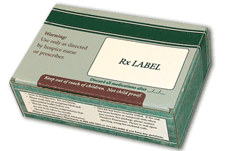
hospice care kit going gentle into that good nightThe first thing is that a comfort kit is overnighted to the home for administration when needed (and if a hospice nurse is not immediately available to provide the care). Included in the comfort kit are basics like liquid morphine (hospice will provide more if needed), mouth swabs (keeps saliva from collecting mouth and throat),  and Atropine drops or Levsin (minimizes wet respiration).

Hospice also has a two-week supply of all medications that our loved ones with dementias and Alzheimer’s Disease are taking specifically for the disease they are admitted under overnighted to the home.

A care team consisting of nurses, a social worker, a chaplain, volunteers to sit with our loved ones if we need to get groceries, and certified nurse assistants (CNAs) to help with daily hygiene care is also put in place to assist in supporting our loved ones and their families along the journey to death.

Our loved ones and we can chose which of these non-medical care team members to utilize. In Mama’s case, for example, we had a spiritual inner circle of longtime friends-who-were-family who provided, along with God, our sole spiritual support. We also took care of daily hygiene on our own.

Our experience was less than optimal in the other areas (including nursing until a home health nurse happened to fill in for the hospice nurse the last few days of Mama’s life).

In fact, our experience was so bad that I had decided to switch to another hospice care agency two days before Mama went into her death sleep (for my readers in the Tri-Cities, Tennessee, area, please email me at goinggentleintothatgoodnight@gmail.com for details on the various hospice providers in the area and which one I was going to change to on the recommendation of home health nurses I trusted).

Nursing visits should be frequent, but will increase to daily as death for our loved ones with dementias and Alzheimer’s Disease draws closer.

After death, the hospice nurse will be our first contact. They will notify the funeral home, clean up and dress (you can choose to assist or not in this process – I assisted with Mama because it was a way that I could show her respect and maintain her dignity) our loved ones, and take care of the paperwork for the death certificate.

After the funeral home picks up our loved ones, the hospice nurse will, with our assistance, document, dispose of and destroy all the medications provided by hospice, including any remaining comfort care medications.

comfort-hospice-going-gentle-into-that-good-nightLogic would seem to indicate that hospice care team members are sensitive, gentle, and supportive. However, in many cases, none of those things are true.

I did my homework on hospices before Mama needed hospice care. I asked friends of mine who were nurses involved in elderly care for their recommendations since they dealt with all the hospice agencies in the area.

However, one of the caveats I found is that hospice agencies can deal differently with medical professionals (i.e., better) than with family members of loved ones who are in need of hospice.

When I talked to the first hospice agency that had been recommended to me, the first words out of the director’s mouth, before I’d said much more than my name, were “We’re not a babysitting service!”

The nastiness in her tone and what she said took me totally aback. Even looking into hospice care as an option is emotionally and mentally tough because it means we realize that time for our loved ones with dementias and Alzheimer’s Disease is short and finite and we’ve accepted the reality of rapidly-approaching death.

Even though there’s a rational, logical, objective component in that realization, the emotional and mental component of wrapping our heads around it isn’t so cut and dry, and a little empathy, compassion, and gentleness in the recognition by a hospice care agency is not unreasonable to expect.

The reason is that the first contact we as caregivers and advocates for our loved ones make to a hospice care agency leaves an impression on us as to the kind of care that agency will provide for our loved ones. If they treat us badly, then it’s safe to assume that is the quality of care that our loved ones with dementias and Alzheimer’s Disease will receive.

I crossed the first hospice care agency off my list simply because of those first words out of the director’s mouth to me.

The hospice care agency that Mama and I ended up with was not the one I wanted because I’d had a similar bad first contact with its director. However, the hospice care unit was in the same provider that we had received home health care and were receiving palliative care from and the hospice care director showed up with the palliative care nurse on the day that Mama was having acute chest pains.

The director of hospice care said it was time to admit Mama to hospice for heart disease and I knew at that point that I didn’t have the luxury of time to get another hospice care agency lined up and on board, so I did what we needed to do for Mama, despite my strongly negative impression from my first meeting with the hospice care director.

For the first eight days Mama was under hospice care, she and I were pretty much on our own. The only real support we got was through a couple of phone calls to the 24/7 medical line.

It was not until a home health care nurse (I knew he was a home health care nurse and he confirmed it when I asked him – the night and day difference in care for Mama and support for me was that obvious) from the agency filled in for the hospice nurse who was finally supposed to visit Mama showed up four days before Mama died that I had any confidence that I had made the right decision by switching Mama to hospice care.

I share this personal experience because it’s not as unusual as you might think. I’ve heard similar stories from other people with other hospice care agencies in other parts of the United States and the world. 

That’s why you need to know that, if our loved ones with dementias and Alzheimer’s Disease have a longer time frame to death than my mom had, you have the ability and the choice to fire a hospice agency that is not working, whatever the reason(s).

Hospice care is designed to be comfort care – and that includes good support for caregivers and the family – and if that is not the outcome for our loved ones and us, then that is unacceptable and we have the freedom to switch to an agency who does provide what a hospice care agency is supposed to.