Archives

Medical Advocacy and Support and Dementias and Alzheimer’s Disease

Author’s note: I originally posted this in June 2013, but I will now be reposting this every month, because it is one of the most important ways in which we can help and support our loved ones with dementias, Alzheimer’s Disease, and other age-related illnesses (“Going Gentle Into That Good Night: A Practical and Informative Guide For Fulfilling the Circle of Life For Our Loved Ones with Dementias and Alzheimer’s Disease“) offers a more comprehensive list of the areas in which we can offer help and support to our loved ones).

*****

Today’s post will discuss our role as medical advocates and medical support for our loved ones suffering from dementias and Alzheimer’s disease. Here I will provide practical advice and suggestions, from my own experience, in managing the medical aspect as easy, as straightforward, and as  un-disruptive for our loved ones as possible.

The very first thing we need to do as caregivers is to make sure medical wishes and medical legal authority – medical power of attorney – are documented and authorized (primary care physicians can do this; I suggest getting them notarized as well). Hopefully, these have been discussed enough so that either our loved ones have already taken care of them or we know what they want and are able to execute them ourselves.

For anyone reading this who is not a caregiver or suffering from dementias and Alzheimer’s Disease, now is the time to think about these because time and chance happen to us all. For those of us who are caregivers, these are documents we need to locate and keep in one place.

A medical power of attorney document designates who will make decisions when the person drawing up the document is unable to.

Living willA living will essentially specifies whether a person wants everything done possible to keep them alive, no matter how long, how futile, and how expensive or whether only comfort care is given when it’s clear that the end of life is at hand.

DNR (Do Not Resuscitate)A DNR (Do Not Resuscitate) document states that the person does not want to be resuscitated if he or she stops breathing.

I suggest getting a briefcase or backpack to keep all the documents related to the medical care for our loved ones in. The briefcase or backpack should be accessible at all times, so it goes everywhere we and our loved ones go.

The medical power of attorney, living will, and DNR should be kept together in a folder in the briefcase or backpack. The other items in this backpack should include medical history documents and an up-to-date list of of medications (I’ve attached a sample Excel spreadsheet you can download and for this). Get an inexpensive wallet to put a photo id and Medicare Part A and Part B cards in and keep that in the briefcase or backpack as well. Always have something (electronic or pen and paper) to take notes with.

It is important to remember that we caretakers have a responsibility to advocate for our loved ones with dementias and Alzheimer’s Disease with all medical professionals (primary care physicians, psychiatrists, nurses, dentists, hospital staff, home health staff, and hospice staff). However, it is equally important to remember that, unless our loved ones are in the dying process and, therefore, unresponsive, that we need to include them in all conversations, explain to them what is being discussed and why, and make sure the medical personnel include them as well.

While our loved ones may not understand everything, we must not treat nor let anyone else treat them as if they are invisible. This is probably one of the greatest gifts of love and respect we can show them.

We have to usually initiate this by stopping the conversation the medical professional is having with us, turn to our loved ones and hold their hands, make eye contact, and explain. Eventually, the medical professional will make eye contact with both us and our loved ones.

The reality is that we don’t really know how much our loved ones comprehend or understand. It’s my personal belief that they understand more than the diseases allow them to respond to. I also know that touch and inclusion are two basic needs we all share as humans, so it’s essential that our loved ones never feel excluded or unloved.

Hospitalizations are hard on elderly people. I don’t know all the reasons why, so I wouldn’t begin to speculate (although I have some opinions about it) as to why. For our loved ones with dementias and Alzheimer’s Disease, hospitalizations are not just hard, but extremely traumatic because of unfamiliarity of everything: people, place, and routine. Going into a hospitalization, we as caregivers must be aware that it will be a setback for our loved ones when they come home.

hospitalizationBecause of the traumatic effect of hospitalizations on our loved ones, it is critical that we as caregivers stay with them as much as we’re able during the hospitalizations. We are, even if some of the time they don’t know who we are, familiar. And our presence can help neutralize some of the fear and anxiety that often occurs during hospitalizations. 

Always have a “hospital bag” with clothes, toiletries, and other things our loved ones need packed. That bag goes every time we take our loved ones to the ER or with us as we follow an EMS transport. (It is imperative to be sure to wash the clothes from the hospital stay immediately and separately from any other laundry when we get home.)

Spend the night for as long as our loved ones are hospitalized. I know, because I’ve spent way more nights than I could ever count with my mom – even before her dementias and Alzheimer’s Disease diagnoses because I didn’t want her to be all alone – in the hospital, that there’s iffy sleep, awful coffee, and not-so-great food. But our loved ones are worth it. 

But spending the night has an additional, and equally-important, benefit. Most doctors make rounds between 7 pm and 8 pm in the evening and between 6 am and 8 am in the morning, so by spending the night we’re always there when the doctors are there so we can be current on what’s going on with our loved ones. I’ve found that, in general, hospital nurses either don’t know much or are too busy to take the time to give you real updates, so the only in-depth information you’re going to get will be from the doctors.

The other benefit of staying with our loved ones is that we can make sure they get the quality care and attention they need. It’s been my experience that most hospitals simply to don’t have enough staff to provide much personalized care, so if there is no one there with the patient, the patient just has to wait until someone gets around to him or her. By us being there, we can ensure that our loved ones are clean, taken care of, and not uncomfortable in any way physically. That’s one of the best ways we can serve them.

As I mentioned, expect a setback after hospitalization. It can last anywhere from a few days to a couple of weeks. Recovery will eventually occur, but it’s important to know that it will never return to the pre-hospitalization state. That’s just the nature of these diseases.

It’s important to be patient, loving, kind, gentle, and tender no matter what. It’s my opinion that most of the behavior is a way of expressing fear, so it’s important that we allay those fears and help our loved ones feel safe again. It takes time and a lot of deep breaths sometimes, but this is another way we show them how much we love them.

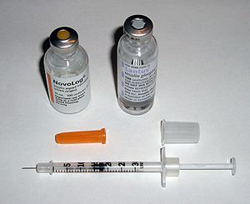
Elevated Blood Sugar Levels Coincide With Poorer Memory Performance

In the post I wrote about lifestyle dementia, I talked about lifestyle choices that could lead to higher risk of developing dementia. If you have not read this post, I strongly urge you to.

One of the lifestyle risks that I discussed was diabetes and out-of-control or poorly-controlled blood sugar levels and the negative impact of that neurologically long-term, including the probable development of dementia.

However, in this recently-released study, German researchers have found that high blood sugar levels that fall within the “normal” range produce poorer memory-testing results than blood sugar levels that were lower.

Blood sugar ranges diabetes dementia memoryAdditionally, in the people with elevated “normal” blood sugar levels, the researches found that the part of the brain responsible for memory, the hippocampus, was smaller (MRIs and post-mortem autopsies of people suffering from dementia show a dramatically smaller hippocampus as well) than the hippocampus in the people in the study with lower blood sugar levels.

The point? There are a lot of things in life that are completely out of our control. But we have lifestyle choices that are within our control, and while they may not preclude us from developing dementias and/or Alzheimer’s disease eventually, our lifestyle choices, could accelerate or delay it and could minimize it or worsen it. 

Today’s the day to start making those lifestyle changes for the better!

Lifestyle Dementia: Underdiscussed, Overlooked, But a Very Real and Present Danger

Today’s post will discuss lifestyle dementia. Many of the people, especially the elderly and very elderly, suffering from dementias and Alzheimer’s Disease today either have the genetic markers for it or – and this is my opinion, but I see strong evidence to support it with the precipitous explosion of dementias and Alzheimer’s Disease – are suffering from the effects of living on a toxic earth, eating toxic food, and breathing toxic air.

However, another group of dementia sufferers is emerging.

They are younger and have very different lifestyles than their elderly and very elderly counterparts with whom they share the same commonalities of dementia. This group of people has dementia that is directly related to lifestyle.

How we live our lives is a series of choices that we make consciously or unconsciously along the way. That is what becomes our lifestyle. Our lifestyle – all of those choices – has short-term effects and long-term effects. 

The long-term effects of those lifestyle choices are beginning to be seen in the growing number of people suffering with lifestyle dementia. One of the generations most noticeably – and disproportionate to the incidence in the expected populations of the elderly and very elderly – affected is the Baby Boomer generation (people born between 1943 and 1960, according to William Strauss and Neil Howe in their book The Fourth Turning, which I highly recommend that everyone read).

I strongly suspect that one of the lifestyle choices, which I’ll discuss later, that was prevalent with this generation during the 1960’s and early 1970’s is a key contributor to the development of the lifestyle dementia we see emerging among this age group today.

Before we proceed with describing lifestyle choices that could lead to lifestyle dementia, it’s important to understand what the word dementia describes. Any loss of function of and/or damage to the internal components of the brain (neurological, chemical, or physical) falls under the broad category of dementia when describing the brain’s condition.

(Inset note: Alzheimer’s Disease is the shrinkage of the size of the brain from the outside in, brought on by a specific condition that occurs in the nerve cells of the brain. Therefore, it’s important to remember that all people suffering from dementia don’t necessarily have Alzheimer’s Disease, while all people suffering from Alzheimer’s disease have a very specific kind of dementia, commonly called tangles and plaques.)

So dementia is a condition – or  state – of the brain. Like many nouns, this condition or state has adjectives that describe where the loss of function or damage is or specific identified abnormalities of the brain that affect function and cognition. Therefore, when we see the term vascular dementia, for example, the loss of function and/or damage to the brain is related to the blood vessels in the brain. 

So what kind of lifestyle choices can lead to lifestyle dementia?

diabetes-insulin-dementiaIn the last twenty to thirty years, the western world has adopted a supersized fast-food diet, a very sedentary lifestyle, and an “ignorance is bliss” attitude toward taking care of their health with regular medical checkups and changes in their lifestyles to address health issues like diabetes and high blood pressure.

Unchecked or uncontrolled, both high blood pressure and diabetes directly affect the health of the blood vessels in the brain, leading to widespread blood vessel damage and neurological cell death, which is the cause of vascular dementia. 

alcoholAnother lifestyle choice that can lead to lifestyle dementia is alcohol abuse. While it’s generally believed that alcohol doesn’t directly kill brain cells, alcohol abuse creates key vitamin deficiencies that adversely affect the brain and adversely affects the liver’s ability to remove toxins from the body. Research shows that women who abuse alcohol begin to exhibit the adverse effects in half the time that men who abuse alcohol do.  

This article from the National Institute of Health gives a very clear and understandable explanation of how alcohol abuse results in long-term damage to the brain. The specific type of dementia that occurs with alcohol abuse is Wernicke-Korsakoff syndrome, which occurs because of a thiamine (B1) deficiency.

A third lifestyle choice that can lead to lifestyle dementia is drug abuse. I noted earlier that one lifestyle choice seems to point to why there is such a high incidence of older Baby Boomers showing signs of dementia at earlier ages than their elderly and very elderly counterparts do. I believe that this phenomenon has a direct correlation to the pervasive and unabashed drug experimentation within this age group in the 1960’s and early 1970’s.

A few years ago, I watched a documentary entitled The Drug Years on the History Channel (it was originally produced by the Sundance Channel and VH1). If you have not seen it, you should (Netflix and Hulu subscribers will find it in the Documentaries section). It’s shocking in some ways, but very informative in others. If you’re like me, you’ll watch it shaking your head a lot. But there’s a lot of history that explains things before some of us (like me) were born or cognizant and it also explains our continuing prevalent and unabashed drug culture in the U.S. today.

The series had a lot of commentary by Martin Torgoff, who wrote 2005’s Can’t Find My Way Home: America in the Great Stoned Age 1945-2000. Intrigued by the title (the first part of the title is the mind-altering drugstitle of one of my favorite songs by the band Traffic), I read the book after watching the documentary. I don’t believe that any book I’ve ever read scared me as much as Torgoff’s book did. And as much head-shaking as I did during the documentary, I did even more reading this book.

As Torgoff described the drug abuse of the 1960’s and early 1970’s and quoted well-known and not-so-well-known people about their own drug use and abuse, it became evident that there was an uninhibited desire to find, use, and abuse any substance that substantially altered the brain. The more altered the brain was, the “better” the experience.

With the psychedelic agents in LSD, acid, psilocybin mushrooms, and peyote, perceptions became altered, hallucinations occurred, and illusions became real.  In short, this generation liberally sought every possible means of chemically inducing the manifestations of dementia. In the process, neurological damage occurred and now, with age, the effects of that damage are becoming more evident with the emergence of lifestyle dementia.

To be clear and to be fair, I’m not saying that every case of early-onset Alzheimer’s Disease and dementia or other types of dementia occurring at a younger-than-usual age is the result of drug abuse. That’s much too broad a brush stroke to paint with. But a recent study showed a pretty strong link between dementia and teenage/young adult lifestyle choices for people without a family history of the diseases.

And the neurological damage from this lifestyle choice continues with the use of more modern drugs like Ecstasy, Adderall, and “bath salts,” which are psychoactive and which stimulate the brain beyond its normal capacity and can produce hallucinations, seizures, and even death.

Bath salts, which have become popular in the last couple of years, permanently create irreversible neurological damage because of the simultaneous and voluminous suckerpunch all at once to the brain with the chemical effects of amphetamines and cocaine.

It remains to be seen, although it certainly will occur, what lifestyle dementias develop among the Millennials using these drugs today.

Some things happen to us in life through no fault of our own. However, we have choices in how we live our lives, and we can make positive lifestyle choices that, while they may not preclude any of us from developing Alzheimer’s Disease and dementias down the road, will ensure that we’ve done every within our power to ensure that our choices and actions haven’t contributed to it.

Medical Advocacy and Support and Dementias and Alzheimer’s Disease

Author’s note: I originally posted this in June 2013, but I will now be reposting this every month, because it is one of the most important ways in which we can help and support our loved ones with dementias, Alzheimer’s Disease, and other age-related illnesses (“Going Gentle Into That Good Night: A Practical and Informative Guide For Fulfilling the Circle of Life For Our Loved Ones with Dementias and Alzheimer’s Disease” offers a more comprehensive list of the areas in which we can offer help and support to our loved ones).

*****

Today’s post will discuss our role as medical advocates and medical support for our loved ones suffering from dementias and Alzheimer’s disease. Here I will provide practical advice and suggestions, from my own experience, in managing the medical aspect as easy, as straightforward, and as  un-disruptive for our loved ones as possible.

The very first thing we need to do as caregivers is to make sure medical wishes and medical legal authority – medical power of attorney – are documented and authorized (primary care physicians can do this; I suggest getting them notarized as well). Hopefully, these have been discussed enough so that either our loved ones have already taken care of them or we know what they want and are able to execute them ourselves.

For anyone reading this who is not a caregiver or suffering from dementias and Alzheimer’s Disease, now is the time to think about these because time and chance happen to us all. For those of us who are caregivers, these are documents we need to locate and keep in one place.

A medical power of attorney document designates who will make decisions when the person drawing up the document is unable to.

Living willA living will essentially specifies whether a person wants everything done possible to keep them alive, no matter how long, how futile, and how expensive or whether only comfort care is given when it’s clear that the end of life is at hand.

DNR (Do Not Resuscitate)A DNR (Do Not Resuscitate) document states that the person does not want to be resuscitated if he or she stops breathing.

I suggest getting a briefcase or backpack to keep all the documents related to the medical care for our loved ones in. The briefcase or backpack should be accessible at all times, so it goes everywhere we and our loved ones go.

The medical power of attorney, living will, and DNR should be kept together in a folder in the briefcase or backpack. The other items in this backpack should include medical history documents and an up-to-date list of of medications (I’ve attached a sample Excel spreadsheet you can download and for this). Get an inexpensive wallet to put a photo id and Medicare Part A and Part B cards in and keep that in the briefcase or backpack as well. Always have something (electronic or pen and paper) to take notes with.

It is important to remember that we caretakers have a responsibility to advocate for our loved ones with dementias and Alzheimer’s Disease with all medical professionals (primary care physicians, psychiatrists, nurses, dentists, hospital staff, home health staff, and hospice staff). However, it is equally important to remember that, unless our loved ones are in the dying process and, therefore, unresponsive, that we need to include them in all conversations, explain to them what is being discussed and why, and make sure the medical personnel include them as well.

While our loved ones may not understand everything, we must not treat nor let anyone else treat them as if they are invisible. This is probably one of the greatest gifts of love and respect we can show them.

We have to usually initiate this by stopping the conversation the medical professional is having with us, turn to our loved ones and hold their hands, make eye contact, and explain. Eventually, the medical professional will make eye contact with both us and our loved ones.

The reality is that we don’t really know how much our loved ones comprehend or understand. It’s my personal belief that they understand more than the diseases allow them to respond to. I also know that touch and inclusion are two basic needs we all share as humans, so it’s essential that our loved ones never feel excluded or unloved.

Hospitalizations are hard on elderly people. I don’t know all the reasons why, so I wouldn’t begin to speculate (although I have some opinions about it) as to why. For our loved ones with dementias and Alzheimer’s Disease, hospitalizations are not just hard, but extremely traumatic because of unfamiliarity of everything: people, place, and routine. Going into a hospitalization, we as caregivers must be aware that it will be a setback for our loved ones when they come home.

hospitalizationBecause of the traumatic effect of hospitalizations on our loved ones, it is critical that we as caregivers stay with them as much as we’re able during the hospitalizations. We are, even if some of the time they don’t know who we are, familiar. And our presence can help neutralize some of the fear and anxiety that often occurs during hospitalizations. 

Always have a “hospital bag” with clothes, toiletries, and other things our loved ones need packed. That bag goes every time we take our loved ones to the ER or with us as we follow an EMS transport. (It is imperative to be sure to wash the clothes from the hospital stay immediately and separately from any other laundry when we get home.)

Spend the night for as long as our loved ones are hospitalized. I know, because I’ve spent way more nights than I could ever count with my mom – even before her dementias and Alzheimer’s Disease diagnoses because I didn’t want her to be all alone – in the hospital, that there’s iffy sleep, awful coffee, and not-so-great food. But our loved ones are worth it. 

But spending the night has an additional, and equally-important, benefit. Most doctors make rounds between 7 pm and 8 pm in the evening and between 6 am and 8 am in the morning, so by spending the night we’re always there when the doctors are there so we can be current on what’s going on with our loved ones. I’ve found that, in general, hospital nurses either don’t know much or are too busy to take the time to give you real updates, so the only in-depth information you’re going to get will be from the doctors.

The other benefit of staying with our loved ones is that we can make sure they get the quality care and attention they need. It’s been my experience that most hospitals simply to don’t have enough staff to provide much personalized care, so if there is no one there with the patient, the patient just has to wait until someone gets around to him or her. By us being there, we can ensure that our loved ones are clean, taken care of, and not uncomfortable in any way physically. That’s one of the best ways we can serve them.

As I mentioned, expect a setback after hospitalization. It can last anywhere from a few days to a couple of weeks. Recovery will eventually occur, but it’s important to know that it will never return to the pre-hospitalization state. That’s just the nature of these diseases.

It’s important to be patient, loving, kind, gentle, and tender no matter what. It’s my opinion that most of the behavior is a way of expressing fear, so it’s important that we allay those fears and help our loved ones feel safe again. It takes time and a lot of deep breaths sometimes, but this is another way we show them how much we love them.

 

Dying Wishes – The Discussion Everyone Needs to Have with Their Loved Ones Long Before They Need to Be Honored

Ellen Goodman is one of my favorite essayists and authors. My first exposure to her writing was an essay entitled “The Company Man.” Even though I was just 16 years old when I read it in my AP English class, it had a profound impact on me. I still often think of it when the days and nights of life get long, hectic, and overwhelming and it helps me to step back and do, if nothing else, a little reset to get my priorities realigned.

Therefore, when I read her post on the living-or-dying decision-making (and second-guessing) she had to do for her mom when Alzheimer’s Disease had forced Ellen to be the decision-maker, I found it very interesting.

And familiar. Because even if you’ve had “the conversation” many, many times, I think second-guessing, especially toward the end of life when push comes to shove, is inevitable.

Mama and I had talked in-depth about her dying wishes for years and we had the documents and the paperwork done well in advance of her dementias, Alzheimer’s Disease, and congestive heart failure diagnoses.

Living will - dying wishesShe had a living will with no extraordinary measures, as I do. And she decided on a DNR after Daddy died without one and she saw first-hand the effects of futile life support that he had to go through in that last hour of his life because he didn’t have a DNR.

Even though Mama was a medical professional, as was Daddy, I believe the impact of seeing her soul mate and best friend go through being kept artificially alive even for that short period of time was profound and life-altering for her.

We talked about it a lot right after Daddy died, and I told her I had a DNR and had gotten itDNR (Do Not Resuscitate) in my early 20’s and I told her why I had (and still have) it. It made sense to her and we had her doctor draw it up and certify it.

As Mama’s heart health declined, we continued to have conversations about what she wanted and didn’t want as far as quality of life versus quantity of life.

We were so much alike in our very strong views that quality of life was what was important and not quantity (and this really is the core issue that must be addressed and resolved as part of the dying wishes conversation) that we never disagreed on care, treatment, and outcomes.

But it was because we had these heart-to-heart talks a lot in the last years of Mama’s life and we openly and frankly discussed death as the inevitable outcome and how Mama wanted that to be, as much as was within her control. 

When Mama told me she didn’t want to go to the hospital anymore for treatment for her congestive heart failure, I honored that wish, despite the frantic response about liability from the nurse on the phone when I called to have Mama’s doctor give us a prescription for the medicine (Lasix and potassium) and a schedule so that I could treat Mama for it at home.

The doctor ended up calling me himself and he got Mama in the next day to the office and gave me the prescriptions and schedule to do at home with a follow-up visit within the week with him. And we continued to do this at home until Mama’s death. That’s what she wanted and I was determined to make sure that her dying wishes were honored.

The issue came up again three months later when, on her birthday, Mama started throwing up in the afternoon and had chills and sweating. I wasn’t sure whether the symptoms were heart-related or not, so I took Mama to the ER. She had a gall bladder infection and after we were transferred to a bigger hospital early the next morning, a gastrointestinal surgeon came in and tried to talk us into putting Mama under general anesthesia to remove her gall bladder.

I refused that because I knew with Mama’s weakened heart, she wouldn’t survive it and told him we needed a Plan B. He reluctantly said they could put a drain in with local anesthesia to drain the infection out, but that reinfection was likely within a year. I realized even then that Mama’s health was such that it was unlikely that she would live long enough for a reinfection to occur, so after she and I discussed it, we agreed to the drain, which was successful in removing the infection.

It wasn’t until the very end of Mama’s life that I did any second-guessing. I knew logically and intellectually what she wanted and I was committed to honoring that. And I did.

But most of my second-guessing came in the form of wanting to be sure that I wasn’t overreacting as death approached and that once it was clear that Mama was in the dying process, I wanted to be sure she wasn’t suffering and I didn’t know how to gauge that (she wasn’t and I know that now, but it was paramount on my mind then).

The reality is that, with appropriate comfort care during the dying process, it’s harder to watch someone die than it is for them to actually die. Because we watch our loved ones die with all our senses intact, all our systemic functions intact, and all our alertness intact and it’s almost impossible to not project our intact selves into the process.

And that is why having the dying wishes conversation with our loved ones long before we have to honor it is so important. Most people seem to be very uncomfortable with this conversation – and the subsequent similar conversations that will and should follow it.

But let me ask you a question that shows why we need to get comfortable with it.

What if something with a life-ending outcome looming happened to you today and you’d never discussed and formalized your dying wishes with your loved ones and they were suddenly thrust into the position of having to decide whether to postpone the inevitable or let you go with no intervention in God’s timing?

Would you want your loved ones to be in that position? Would you want to be in that position? Think about it. And have the conversation. As soon as possible. 

Medical Advocacy and Support and Dementias and Alzheimer’s Disease

Author’s note: I originally posted this in June 2013, but I will now be reposting this every month, because it is one of the most important ways in which we can help and support our loved ones with dementias, Alzheimer’s Disease, and other age-related illnesses (“Going Gentle Into That Good Night: A Practical and Informative Guide For Fulfilling the Circle of Life For Our Loved Ones with Dementias and Alzheimer’s Disease” offers a more comprehensive list of the areas in which we can offer help and support to our loved ones).

*****

Today’s post will discuss our role as medical advocates and medical support for our loved ones suffering from dementias and Alzheimer’s disease. Here I will provide practical advice and suggestions, from my own experience, in managing the medical aspect as easy, as straightforward, and as  un-disruptive for our loved ones as possible.

The very first thing we need to do as caregivers is to make sure medical wishes and medical legal authority – medical power of attorney – are documented and authorized (primary care physicians can do this; I suggest getting them notarized as well). Hopefully, these have been discussed enough so that either our loved ones have already taken care of them or we know what they want and are able to execute them ourselves.

For anyone reading this who is not a caregiver or suffering from dementias and Alzheimer’s Disease, now is the time to think about these because time and chance happen to us all. For those of us who are caregivers, these are documents we need to locate and keep in one place.

A medical power of attorney document designates who will make decisions when the person drawing up the document is unable to.

Living willA living will essentially specifies whether a person wants everything done possible to keep them alive, no matter how long, how futile, and how expensive or whether only comfort care is given when it’s clear that the end of life is at hand.

DNR (Do Not Resuscitate)A DNR (Do Not Resuscitate) document states that the person does not want to be resuscitated if he or she stops breathing.

I suggest getting a briefcase or backpack to keep all the documents related to the medical care for our loved ones in. The briefcase or backpack should be accessible at all times, so it goes everywhere we and our loved ones go.

The medical power of attorney, living will, and DNR should be kept together in a folder in the briefcase or backpack. The other items in this backpack should include medical history documents and an up-to-date list of of medications (I’ve attached a sample Excel spreadsheet you can download and for this). Get an inexpensive wallet to put a photo id and Medicare Part A and Part B cards in and keep that in the briefcase or backpack as well. Always have something (electronic or pen and paper) to take notes with.

It is important to remember that we caretakers have a responsibility to advocate for our loved ones with dementias and Alzheimer’s Disease with all medical professionals (primary care physicians, psychiatrists, nurses, dentists, hospital staff, home health staff, and hospice staff). However, it is equally important to remember that, unless our loved ones are in the dying process and, therefore, unresponsive, that we need to include them in all conversations, explain to them what is being discussed and why, and make sure the medical personnel include them as well.

While our loved ones may not understand everything, we must not treat nor let anyone else treat them as if they are invisible. This is probably one of the greatest gifts of love and respect we can show them.

We have to usually initiate this by stopping the conversation the medical professional is having with us, turn to our loved ones and hold their hands, make eye contact, and explain. Eventually, the medical professional will make eye contact with both us and our loved ones.

The reality is that we don’t really know how much our loved ones comprehend or understand. It’s my personal belief that they understand more than the diseases allow them to respond to. I also know that touch and inclusion are two basic needs we all share as humans, so it’s essential that our loved ones never feel excluded or unloved.

Hospitalizations are hard on elderly people. I don’t know all the reasons why, so I wouldn’t begin to speculate (although I have some opinions about it) as to why. For our loved ones with dementias and Alzheimer’s Disease, hospitalizations are not just hard, but extremely traumatic because of unfamiliarity of everything: people, place, and routine. Going into a hospitalization, we as caregivers must be aware that it will be a setback for our loved ones when they come home.

hospitalizationBecause of the traumatic effect of hospitalizations on our loved ones, it is critical that we as caregivers stay with them as much as we’re able during the hospitalizations. We are, even if some of the time they don’t know who we are, familiar. And our presence can help neutralize some of the fear and anxiety that often occurs during hospitalizations. 

Always have a “hospital bag” with clothes, toiletries, and other things our loved ones need packed. That bag goes every time we take our loved ones to the ER or with us as we follow an EMS transport. (It is imperative to be sure to wash the clothes from the hospital stay immediately and separately from any other laundry when we get home.)

Spend the night for as long as our loved ones are hospitalized. I know, because I’ve spent way more nights than I could ever count with my mom – even before her dementias and Alzheimer’s Disease diagnoses because I didn’t want her to be all alone – in the hospital, that there’s iffy sleep, awful coffee, and not-so-great food. But our loved ones are worth it. 

But spending the night has an additional, and equally-important, benefit. Most doctors make rounds between 7 pm and 8 pm in the evening and between 6 am and 8 am in the morning, so by spending the night we’re always there when the doctors are there so we can be current on what’s going on with our loved ones. I’ve found that, in general, hospital nurses either don’t know much or are too busy to take the time to give you real updates, so the only in-depth information you’re going to get will be from the doctors.

The other benefit of staying with our loved ones is that we can make sure they get the quality care and attention they need. It’s been my experience that most hospitals simply to don’t have enough staff to provide much personalized care, so if there is no one there with the patient, the patient just has to wait until someone gets around to him or her. By us being there, we can ensure that our loved ones are clean, taken care of, and not uncomfortable in any way physically. That’s one of the best ways we can serve them.

As I mentioned, expect a setback after hospitalization. It can last anywhere from a few days to a couple of weeks. Recovery will eventually occur, but it’s important to know that it will never return to the pre-hospitalization state. That’s just the nature of these diseases.

It’s important to be patient, loving, kind, gentle, and tender no matter what. It’s my opinion that most of the behavior is a way of expressing fear, so it’s important that we allay those fears and help our loved ones feel safe again. It takes time and a lot of deep breaths sometimes, but this is another way we show them how much we love them.

Guide to In-Home Medical Care Options for Our Loved Ones Suffering from Alzheimer’s Disease and Dementias

This post discusses home health care, palliative care, and hospice care options. Included in the video below are descriptions of each of these options and recommendations and advice, from my personal experience as a loving caregiver for my mom, about each one.

To begin the video, simply click on the “Play” arrow and the video will play (there is no sound).

Please continue to give me feedback on topics you’d like to see discussed here. This is our blog and, while I’ve got content that I’ve prepared and am preparing, I would also like to address any topics, concerns, and questions you have about providing loving caregiving to our loved ones with Alzheimer’s Disease and dementias. 

Facebook Page for Going Gentle Into That Good Night and Caregiver’s Support Group

I wanted to post a reminder that I’ve created this blog to give more extensive details on practical and “in-the-moment” information that we caregivers can use to ensure the best and most loving care of our loved ones suffering with Alzheimer’s Disease and dementias.

I am working on several posts that you’ll be able to read shortly, but I would like to encourage and invite everyone to like the Going Gentle Into That Good Night Facebook page and join the Facebook Caregivers – Alzheimer’s Disease, Dementia, and Other Age-Related Illnesses group where I am continually posting links and short comments about research and relevant blog posts that we can all use as we go through the caregiving journey.

If you have not yet read my book, Going Gentle Into That Good Night, please be sure to get your copy. It is an overview – and the genesis of this blog – of my own caregiving journey with my mom and I offer lessons I learned in the form of resources and advice you won’t find anywhere else in the Alzheimer’s Disease and dementia literature.

And, as always, if you find any of the information that I provide here or on Facebook useful and helpful, and are so inclined, a small donation (click on Donate on the left side of your screen) would be greatly appreciated. This mission to write, share, and provide helpful information, advice, and encouragement is, it seems, my life’s work now. It is a labor of love because I know firsthand what each of you is going through, but I still have to pay the bills. 

Thank you in advance for reading, for sharing, and for allowing me to share my journey with you.

Making Sure We Have the Personal Information We Need to Help Our Loved Ones with Alzheimer’s Disease and Dementia

This post by Kay Bransford, on her Dealing With Dementia blog, is important enough that I want to share it here for all of us who are – or may be in the future – caregivers for loved ones with Alzheimer’s Disease and Dementias.

We live in a digital age and we work very hard to protect ourselves online from things like identity theft and access to our financial and personal data. However, it is important to make sure that we give access to our POA’s in case something happens to us and it is important that we have this information for our loved ones with Alzheimer’s Disease and dementia whom we are caring for and, if not already, will be entrusted to handle their legal, medical, and financial affairs for them.

So, Kay’s advice struck me today as being very timely for all of us.

“Life and Death in Assisted Living” – PBS Frontline Documentary

I watched Life and Death in Assisted Living on PBS’s Frontline program earlier this week, and I highly recommend this for all family members with parents with dementia and Alzheimer’s Disease in assisted living facilities with “memory care” units or who are considering placing their loved ones in this kind of facility.

Let me say at the outset that they’re not all awful. However, let me also say that they will never take care of our loved ones as well as we can and would. I understand that some people, because of distance or a myriad of other reasons, believe they have no other option. If that’s the case, it is our responsibility to be (or designate a family member who is there to be) all over that facility and our loved ones 24/7.

Sadly, the mistreatment, the mistakes, the lack of care shown in this series are more likely to occur. Again, I’m not trying to make generalizations here, but I’ve seen some of this firsthand with people whose family members were absent most of the time or couldn’t be bothered even when serious matters arise.

These elderly people tend to get treated differently – worse – by some staff members when family and loved ones are not involved. My first-hand observation of this – and my Mom’s when she was an ombudsman at a facility in northeast Tennessee after my dad’s death – made me (and my mom) want to lower the hammer, rescue the elders, and shake some sense, compassion, and love into their families and loved ones.

We have a responsibility to our parents and our elderly folks to ensure that they have the best care possible as they end life. We cannot do that if we’re not involved day in and day out, even if we can’t care for them at home, with assisted living or nursing home care.

The more we are present – and I mean every day, different times of the day, for chunks of time each day – the less likely our loved ones and parents will suffer the mistakes, negligence, and deaths because of lack of care or failure to do the job that this series talks about.

Mom was in an assisted living facility with a memory care unit until I knew she was as stabilized mentally as she could be. It was not the first choice she and I had made, but the first choice turned out to be a “let’s-get-you-in-bind, put-the-screws-to-you, then-make-you-hand-every-bit-of-cash-you-(or-your-children)-have-over-to-us-up-front.”

And that’s not uncommon, based on what I’ve found in my research since then. I can’t think of too many times in my life when I’ve been angrier than I was when this materialized, but I discovered that this company was fairly representative of how assisted living and nursing home facilities, especially those that offer memory care, work.

As appalled as I was to discover this, I was even more appalled to discover that this is business as usual for most of these places. 

Fortunately, the place that I found for Mom wasn’t like this, but it had its own unique set of issues. The reality is that nobody else is ever going to, or in fact can, care for our parents and loved ones the way we will and are able to.

The bottom line for us is whether we’re willing (and able, because some people are not) to make the sacrifice to do for our parents and our loved ones what they were willing to do for us when we were babies, helpless, and completely dependent on them. 

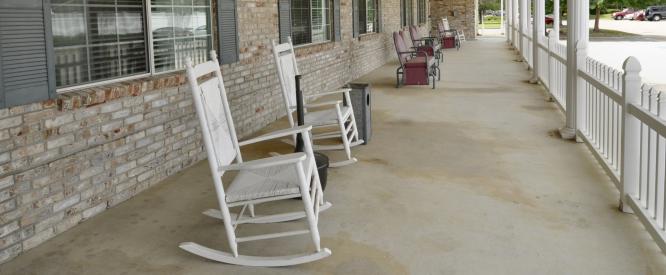
assisted living memory care dementia Alzheimer's diseaseFor the last several weeks she was her assisted living facility, I was living there because she’d fallen and had a bad ankle sprain and I needed to be there. Within a short time,we made the decision that she would move back in with me and we’d be together at home until the end.

And I’m grateful we had that time together, although I know at times it was hard for my mom and at times it was hard for me. In the end, that didn’t matter, because I knew…and Mom knew…that we were both doing the best we could and there was unconditional love and care behind that.