Tag Archive | Alzheimer’s Disease, Dementias, Age-Related Illnesses Caregiver Support

“Memory Lessons” – Jerald Winakur: Book Review and Recommendation for Caregivers

Going Gentle Into That Good Night Book Review and RecommendationMemory Lessons: A Doctor’s Story by Jerald Winakur is a must-read for all us who are caregivers for loved ones with dementias and Alzheimer’s Disease. Going Gentle Into That Good Night cannot recommend it highly enough.

This is my Goodreads review:

“What an incredible book! Dr. Winakur is a geriatric physician – old-school, steadfastly bucking against the managed care model of the for-profit companies that own medicine in the U.S. and Big Pharma, the for-profit companies who advertise magic-in-a-pill drugs directly to consumers and pay off medical providers to prescribe them – and is/was the son of aging parents, one of whom was his dad, who had dementia.

Dr. Winakur weaves the story of his philosophy as a doctor – do not harm, take the time to listen t0 and to think about each patient, we all forget, in devaluing our elderly population and shuffling them off to care facilities because we’re too busy with our own lives and can’t be bothered, that not only do we owe them our turn in the circle of life, taking care of them when they need us most just as they took care of us when we needed them most, but one day, if we live long enough, we will be them and the examples we set with our own attitudes and behavior toward them are what our children see and what they will, in turn, do to us – with the story of his family and his parents.

It is refreshing, poignant, and from the heart.

A must read!”

This is great book for all of us as caregivers. He is a doctor and a caregiver for his parents. It’s interesting to see how he deals with the same dilemmas and decisions as a son, in spite of being a geriatric physician, that we do as sons, daughters, grandchildren, sons-in-law, daughters-in-law, and spouses of our loved ones.

The Power of Music and Memories in The Journey Through Dementias and Alzheimer’s Disease

Music Memories Dementia Alzheimer's DiseaseI’ve always tracked time through music. I can hear a song and go back with photographic accuracy and precision to the exact time, the exact place, the exact month, and the exact year that I either first heard it or when it made such an impact on me that I’ll never forget it.

Usually these jaunts will prompt me to walk back through other times and places in my life – perhaps to test my own cognition – to see if I still remember them with the same level of accuracy with regard to details and precision (even down to wallpaper and house layouts in each of the many houses we lived in growing up). So far, so good.

But yesterday afternoon I heard a song that took me back to almost five years ago – July 12, 2010, to be exact – and hit me with the same effect it did when I heard it that morning.

Unexpected tears began to fall as I relived that memory and the memory I relived that day that took me even further back in time, way before dementias and Alzheimer’s Disease came to take my mom and me through its journey together.

On Sunday, July 11, 2010, in the very wee hours of the morning, my mom had the psychotic meltdown that would land her in a geriatric psychiatric hospital for almost two weeks and that would give me the grim diagnosis that she was in the mid-to-late stages of vascular dementia and Alzheimer’s Disease.

When my phone rang at 7:15 a.m. that Sunday morning, I already knew it was about Mama. The week before had been insane – with wild and dramatic mood swings, mostly negative, with each one getting more dire, and out-of-the-ballpark suspicion and paranoia – so I knew we were coming to a point where something was going to break.

Quite frankly, I wasn’t sure it wasn’t going to be me first. I was restless, anxious, unable to sleep that Saturday night, and as I paced and prayed, I kept telling God He needed to do something because there was nothing left that I could do to help Mama.

And He answered those prayers. I wasn’t at all surprised when the voice on the other end of that early morning call identified herself as someone from one of the psychiatric hospitals in the area. She said that Mama had been brought into the emergency room around 3:30 that morning (Mama had called 911) and they had determined that she needed to go to the only geriatric psychiatric hospital in the area. 

The lady on the phone ask me if it was okay to involuntarily commit Mama. I said the only thing I knew to say at that point: “Absolutely.”

She then told me the procedure for going over and changing it to a voluntary commitment by me, told me what to pack for her, and told me that Mama would be there by early afternoon.

I hung up, surprised, but not surprised, my mind racing about what I needed to do that day and what I was looking at needing to do within the next couple of weeks. It was all a little overwhelming, but I tackled the tangible stuff first that I didn’t have to think about.

I went over to Mama’s apartment in the independent retirement community she had decided to move to, without ever discussing it with me, five years earlier. I opened the door and decided to pack the bag I needed for her, clean up, and make sure there was nothing pressing I needed to take care of.

I packed Mama’s bag, labeling all her clothes so that they wouldn’t disappear. Then I decided to clean the apartment, make her bed, and do a thorough inspection of everything.

In the midst of cleaning (the refrigerator, which I tried to keep an eye on, but which I’d not been able to since she had pretty much banned me from her apartment the last couple of weeks before that, made me wonder how she had not killed herself with some of the science experiments that were in there), I found a notebook that she’d accused me of stealing two days before, hidden behind the only place I did not look when searching for it the day she told me that I’d better leave because she’d called the police to come and arrest me.

I shook my head as tears rolled down my cheek for my mom. I found a couple of bills that needed to be paid, so I took them home to pay. I knew even then that she would not be able to come back to that apartment to live, so I got on her computer and sent emails to her friends and let them know she wouldn’t be back on (no details), then unplugged the cable modem (I had been paying for her internet service) to take back to the cable company the next day.

Once everything was clean, I got Mama’s bag and her purse and the important papers I needed, and anything else valuable to take with me, and left to do the rest of what needed to be done that day.

The next morning, Monday, April 12, 2010, I began the day’s to-do list with returning the cable modem and stopping the service for Mama and having that taken off my bill. Everything was still surreal, although I was going through the motions, taking care of the things I could before the first visit I could have with Mama at noon.

On the way back from the cable company, I turned on the radio and this song came on:

Immediately, my mind went back to when I was little and Mama had the radio on all the time and we heard this song in the mix of the music that was played. I thought of those carefree days and when Mama was healthy and then all the music and summer days we’d had since then played like a movie through my memory.

Then I got to the present and I was sobbing. Not only for the past, but for the reality of the knowledge that we’d never be able to go back there again. I was crying for what we’d lost for good.

That was the song I heard yesterday. It took me right back to being in that car face-to-face with a new reality for Mama and me, reminding me again of that trip down memory lane that I had taken (and which I took again yesterday). And unexpected tears streamed down my face again.

I’ve had a hard time listening to “Mama” songs since her death. For the most part, I’ve avoided them like the plague because they evoke such a strong emotional/memory response in me and my mind and my heart get consumed with a grief I can’t stop and I can’t contain.

I don’t know exactly why this song prompted and prompts such a strong emotional reaction in me. There are no concrete, specific memories, other than the one five years ago, attached to it.

There are many other songs that I do have concrete and specific memories of Mama and me attached to: U2’s “In God’s Country,” The Commodores’ “Easy,” and Kenny Rogers’ “Lucille” are among them.

Maybe “Chrystal Blue Persuasion” is just a demarcation song for me and that is why it is so powerful. It encapsulates a childhood I miss, a mom who was at the top of her game, and a world and a time I’ll never have in again in this life. Maybe that’s all it is. And maybe that’s enough.

My advice? Embrace the music. Embrace the memories. And embrace the tears.

Because that means you had – and have – love.

And that is most precious thing we take, not just through, but beyond, this journey we walk through with our loved ones.


Profiles in Dementia: Muriel June Foster Ross (1929 – 2012) – My Beloved Mama

mama mother's dayWith Mother’s Day right around the corner, I decided to make this profile in dementia personal, and so I write about one of the heroes in my life, my mama, Muriel June Foster Ross.

Mama is the reason that I wrote Going Gentle Into That Good Night: A Practical and Informative Guide For Fulfilling the Circle of Life For Our Loved Ones with Dementias and Alzheimer’s Disease and You Oughta Know: Acknowledging, Recognizing, and Responding to the Steps in the Journey Through Dementias and Alzheimer’s Disease.

Mama is the reason the Going Gentle Into That Good Night blog exists.

And Mama is the reason why I created a Facebook support group for caregivers of loved ones with Alzheimer’s Disease, dementias, and other age-related illnesses.

My mama, Muriel June Foster Ross, was born March 2, 1929 in Erwin, Tennessee, a small town in the hollows of the Smokey Mountains in northeast Tennessee.

Fields of Gold: A Love StoryFrom the get-go, Mama had a life full of tragedy and triumph, successes and failures, bad times and good times, love and hate, deep-down sadness and uplifted-heart happiness and forgiving and forgetting, which I chronicled in the first book I wrote after her death, a memoir about my parents and us kids and our life together titled Fields of Gold: A Love Story

My mama was a most remarkable woman in so many ways, because no matter what came her way in life, she persevered, she overcame, and she prevailed.

Mama left me with an incredible legacy and some pretty big footsteps – ironically, because Mama was a lady whose physical foot size was 4.5W while my own foot size was almost twice that big and even wider – to follow in and I see continually how far I fall short of the example she left me.

However, even in my failures, I see Mama’s legacy of prevailing and not quitting. I’ve finally been able to see that even trying and failing is doing something and that beats not failing because I’m not trying to do something any day of the week.

It’s still hard for me to fail over and over, but I find myself rehearsing Mama’s life and all the places where it looked like failure and she could’ve quit but she didn’t. And, in the end, not quitting brought incredible meaning and blessings to Mama’s life.

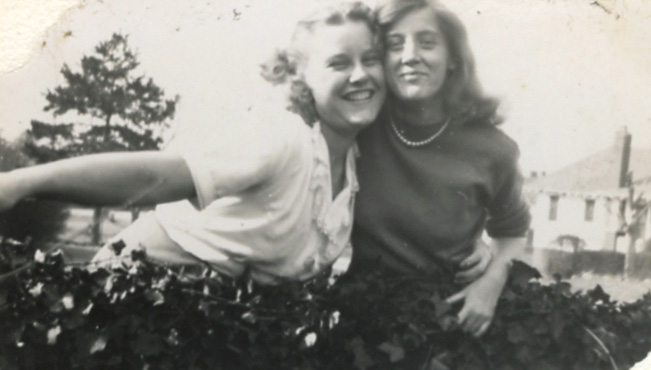
Mama and Ethel Pennell SparksMy mama was intelligent, curious, active, humorous, whimsical, outgoing, and loving. She had a lifelong love affair with learning anything and everything. Mama was a decent writer – she got her second Bachelor’s degree in English at the age of 54 – but she was an even better oral storyteller.

Mama’s twinkling blue eyes and her mischievous smile could light up even the darkest room. She had her dark moments, her fears, and her insecurities as well, but she reserved those for the people she loved and trusted the most: my daddy and us kids.

Mama’s journey with dementias (vascular and Lewy Body) and Azheimer’s Disease probably began in 2005. The real nuts and bolts of these neurological diseases didn’t really appear in full force and persistently until 2009. And the downhill slide was Mama and me dancing togetherpretty precipitous from that point forward until her death (related to congestive heart failure) on August 14, 2012.

But I had the blessing of being beside Mama throughout the journey and through the end. That’s priceless. I also had the blessing that Mama didn’t live long enough to become completely uncommunicative and bed-ridden. That would have killed both of us. The journey was no picnic, but the blessing was that we shared it, and I am thankful for that.

It seems that each Mother’s Day since Mama’s death has made me miss her more than the one before. On the one hand, I’m glad Mama’s not suffering anymore. But, on the other hand, I miss her.

And not just the Mama I remember before these neurological diseases, but the Mama I remember after they appeared. There Mama and Daddywere moments interspersed with the chaos, the uncertainty, and the tough stuff that were some of the softest and gentlest and most loving moments Mama and I ever shared and those are etched just as deeply in my heart, in my soul, and in my mind. 

Side by side with Daddy, Mama’s resting now in the peace that often eluded her in life until the Sun of Righteousness arises with healing in His wings

May that day come quickly for us all. I love you, Mama. See you and Daddy soon.


The Steps Our Loved Ones Take in the Journey Through Dementias and Alzheimer’s Disease

Click below on the new infographic I created to see it in normal size.

dementia steps going gentle into that good night

Facts About the Flu for Our Loved Ones with Dementias and Alzheimer’s Disease

Our loved ones with dementias and Alzheimer’s Disease are much more susceptible to getting the flu than the general population, including senior citizens in general (the overwhelming majority of deaths from the flu each year occur in people over the age of 65).

With the peak of flu season upon us, it would be a good idea to review some basics about the flu. Click on the infographic below to see the full article.


Source: Fix.com

Dementia of the Preoccupied: How Multitasking and Being Attached to Technology 24/7 is Creating A Dementia Effect on Society

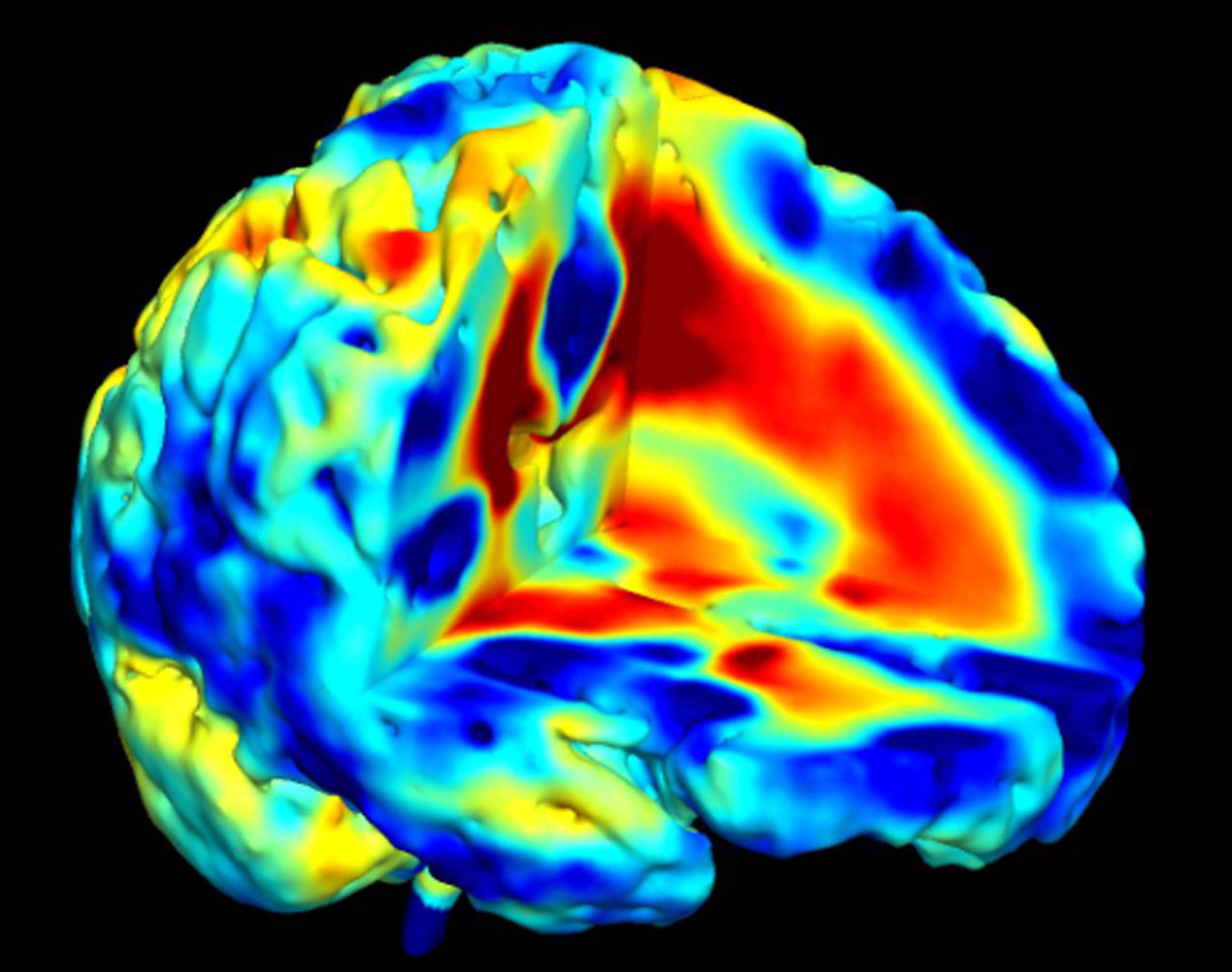
lifestyle dementia technology multitaskingNeuroscientist and author Frances Jensen, in describing what normal life has become for most of society, calls what happens neurologically dementia of the preoccupied.

It’s an apt term. It’s also the brain mimicking dementia symptoms, because our brains aren’t wired to do continual rapid attention/task shifts nor is it wired to multitask.

Despite a lot of evidence that a 24/7 connection to technology (produces a neurological condition, which includes changes to the structure of the brain, known as digital dementia) and multitasking are not only damaging the brain long-term, but they also reduce productivity dramatically (the effect neurologically is exactly the same as staying awake for 24 hours or more or smoking marijuana), a 24/7 connection to technology and multitasking are still seen as badges of honor and are highly prized both professionally and personally.

The problem with multitasking is that we can’t really multitask. Neurologically, we are wired to focus all our attention on a single task and to complete it before moving on to something else. When we try to force our brains to do something they aren’t designed to do, we end up doing more harm to ourselves than good.

One harm is simply forgetting what we were doing, leaving it unfinished, or forgetting to do something we needed to do altogether.

smart phone dementia lifestyleAs a result, at the end of a day, which is when we finally put that phone down, turn the digital devices off, and turn off all the rest of the technology we have going (until we open our eyes the next morning), all we have is a random, disjointed mess of incompletion. In other words, we have little to nothing concrete or finished to show for being awake for 14-16 hours.

That increases anxiety, which is damaging to the brain. It also increases stress, which is damaging to the brain.

tablet dementia lifestyleAnd because we’re not getting anything accomplished, we’re constantly behind and getting further behind until we’re completely overwhelmed to the point of just quitting, so that most of what we set out to accomplish as far as things that actually mean something and are important never get done.

The modern world, if we choose to follow the crowd, is bad for our brains. I suspect that we will see more dementia-like symptoms emerging sooner in the general population in the not-too-distant future because of our addiction to multitasking and being connected 24/7 to technology.

I also expect the longer-term outcome of our multitasking and 24/7 connection to technology to be another kind of permanent lifestyle dementia among the general population.

But, as with all lifestyle dementias, we can make choices that can prevent dementia of the preoccupied, digital dementia, and the real possibility of early, permanent dementia.

But it means that we have to be willing to go in a different direction from the crowd of society, and most of us, it seems, get more short-term satisfaction from following the crowd and being part of it than we do from the conscious effort of taking care of ourselves and making changes and choices that are neurologically – and physically and emotionally – healthy.

We’re already paying dearly, in ways we may not be aware of, for the choices we’re making. The cost will only get steeper with time.

It will not only affect us in dramatic and negative ways, but also our loved ones who will end up either taking care of us because we are unable to take care of ourselves or will be forced to have someone else take care of us because they can’t meet the demands of caregiving.

We don’t have control over the external factors – and nobody really knows or will ever know what all of those are – that cause dementias and Alzheimer’s Disease. We don’t have control over genetic factors that give us a greater risk of developing these degenerative neurological diseases.

But we do have control over the choices we make in our lives that put us at greater risk for developing dementias and Alzheimer’s Disease.

It is my hope that we will all choose to take that control and use it wisely.


The Geopolitical Effect of Dementia: When A National Leader Has Dementia

King Salman Saudi Arabia dementia going gentle into that good nightI’ve read several news articles about the new king of Saudi Arabia, Salman bin Abdul-Aziz Al Saud, that confirm that he has dementia.

King Salman’s ascent to power is essentially a coup from rival family factions in Saudi Arabia. Alastair Crooke wrote a two-part insightful look into Saudi Arabia’s history in terms of the fundamentalism versus modern fight that has Islam as its backdrop: Part 1 and Part 2.

King Salman and his family (many of whom he has already put into power in direct opposition to King Abdullah’s express wishes for the new government) are much more closely tied to the very strict and fundamentalist Wahhabi sect of Sunni Islam than King Abdullah and his family.

These closer ties to Wahhabism could mean earthquake-like shifts in the geopolitical dynamic in the Middle East and with the West in very quick order.

But I cannot help but wonder how King Salam’s dementia will factor into the mix. My educated opinion is that King Salam will simply be a figurehead with the other people who’ve been brought to power making the actual policies and decisions.

And that’s very, very dangerous for everybody involved.

Ronald Reagan dementia 2nd term going gentle into that good nightAmericans don’t need to look too far back into their own history and Ronald Reagan’s presidency (it was clear to everyone who was around President Reagan a lot during his second term in office that he was suffering from dementia) to see this in action and how it began the continuing downhill slide of government and began the complete erosion of trust in and trustworthiness of anything related to government.

Will Saudi Arabia – and the world – experience an ever greater cataclysmic effect with another ruler with dementia at the helm?

Time will tell.

Making Life a Little Easier in the Care of Our Loved Ones with Dementias and Alzheimer’s Disease – Part 3

elderly father adult son caregiver dementia ADThis is the last in a series of posts that discusses everyday practical needs that almost no one ever talks about in providing care and making life easier for both us as caregivers and the loved ones with dementias and Alzheimer’s Disease that we care for.

In the first post in this series, we discussed how to make things easier day-to-day for our loved ones in the areas of eating and incontinence.

In the second post in this series, we discussed day-to-day helps in the areas of personal grooming and bathing in the journey through dementias and Alzheimer’s Disease with our loved ones

In this post, we’re going to discuss the other day-to-day areas where we can make care easier for ourselves and our loved ones in the journey through dementias and Alzheimer’s Disease.

The first area we’ll look it is how to effectively and safely address limited mobility and problematic mobility issues that arise both as a result of the progression of these degenerative neurological diseases and the aging process itself.

Because dementias and Alzheimer’s Disease affect the parts of the brain that control movement and balance, even our loved ones with no other health-related mobility limitations will eventually develop a shuffling gait and maintaining their balance when standing or walking will be difficult, increasing their risk of falls and injuries.

Our loved ones will also have a much harder time getting up and down from a seated position.

One of the most noticeable difficulties will be getting up from and sitting down on the toilet.

bedside commode going gentle into that good nightMany occupational therapists will recommend, as part of the home adaptive accessory purchases, buying a bedside commode for use when our loved ones are sick and unable to easily get to the bathroom or when – especially toward the end of life – if our loved ones aren’t completely immobile, walking any distance is too difficult.

A bedside commode will cost between $30-$40 out-of-pocket and can be purchased at a local medical supply store. However, with home health care or palliative health care, this will be covered by insurance (Medicare or other insurance) as part of the home health care or palliative health care services and equipment.

Occupational therapists will also recommend using the chair portion of the bedside commode over the bathroom toilet in the interim to facility easy standing and sitting.

This is not the best option.

The bedside commode chair is wide, and often won’t fit well, especially in smaller bathrooms, and securely enough over the toilet for this application.

Additionally, the distance between it and the toilet (even with the open guard that comes with most of them) makes keeping the toilet area clean and sanitary more difficult.

So I recommend, instead, a raised toilet seat with arms. 
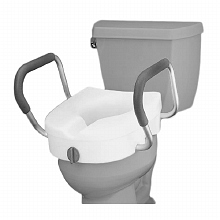
raised toilet seat going gentle into that good nightA raised toilet seat will cost around $60 out-of-pocket and can be purchased at a local medical supply store. However, with home health care or palliative health care, this may also be covered by insurance (Medicare or other insurance) as part of the home health care or palliative health care services and equipment.

The advantage of a raised toilet seat with arms is that it attaches to the toilet, is more secure when standing and sitting, and is more comfortable than the bedside commode chair. It is also more sanitary and easier to keep clean.

Installation is quick and easy. With the toilet seat up, the raised toilet seat is placed directly on the bowl of the toilet where it attaches securely with a large plastic bolt to the inside of the bowl.

As our loved ones progress in their journeys through dementias and Alzheimer’s Disease, they will become more sedentary than active.

This will mean sitting for long periods of time. Motor skills become more muted with neurological degeneration and a lot of the automatic sensory information that the brain gets, processes, and responds to will disappear.

Therefore, it will become less automatic for our loved ones with dementias and Alzheimer’s Disease to feel the natural discomfort of sitting in one position or sitting still for a long period of time that, when we’re neurologically healthy, causes us to automatically move and shift weight frequently when we’re seated.

This results in the increased likelihood of pressure sores and pressure ulcers developing. Once the skin breaks down in this manner, treatment and healing are difficult at best. Because of this, infection and sepsis often follow leading to death.

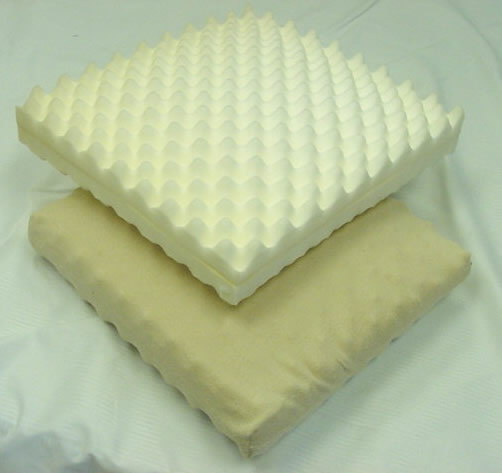
The most effective way to prevent pressure sores and pressure ulcers from sitting for long periods of time is to buy padding for chair foam pad going gentle into that good nightthe chair that distributes weight more evenly and that does the work of ensuring that automatic shifting of weight occurs.

The least expensive way (about $20) to do this is to put a thick (at least 4″) egg-crate-type foam pad (most come with a plastic covering to help with incontinence issues) in the chair that our loved ones with dementias and Alzheimer’s Disease spend most of their seated time in. 

These can be purchased at most big-box retail stores.

Another physiological change that occurs for our loved ones as dementias and Alzheimer’s Disease progress is difficulty swallowing (known as dysphagia). This difficulty includes liquids and solid foods, as well as medication.

Dysphagia presents two real dangers to our loved ones. One is choking. The other is aspirating food into the lungs, which can lead to the development of pneumonia. In fact, it is more common than not that pneumonia is the cause of death for our loved ones with dementias and Alzheimer’s Disease.

That’s how serious swallowing issues are for our loved ones.

However, we can help mitigate this risk by some very simple techniques that will facilitate easier swallowing and reduce the risks of choking and aspirating food into the lungs.

Let’s start with taking medication since this is usually where swallowing issues appear first in the journey through these neurological diseases.

However, before I discuss the technique that usually is helpful for our loved ones to more easily swallow medications, it is important to discuss the medications themselves and the form they are administered in.

pill cutter splitter going gentle into that good nightFirst, as caregivers, we should all have a pill cutter (also known as a pill splitter) as part of pharmacy stash. These can be pick up at any pharmacy very inexpensively.

This will come in handy when managing medications with varying dosages (such as diuretics or glucocorticoids like prednisone, which might be increased temporarily or gradually and then decreased the same way). 

However, I strongly advise against a pill crusher and crushing any medications (although assisted living facilities and nursing homes routinely ignore this when administering medications to residents with dysphagia). The reason is because there are medications that when crushed can cause serious side effects and become completely non-therapeutic.

unsweetened applesauce medication swallowing going gentle into that good nightWhen our loved ones with dementias and Alzheimer’s Disease begin to have problems swallowing medications with water or juice, the easiest and usually-most-effective way to help them be able to swallow the medication is to use applesauce (I recommend unsweetened).

Put the pill on about 2/3 teaspoon of applesauce, which goes down the throat more easily, and swallowing should be much easier.

If our loved ones have medication that come in a large pill form (potassium supplements are a good example and because they tend to dissolve in the mouth and are very bitter are not a good candidate for cutting in half), we should have our loved ones’ primary care providers (PCPs) prescribe a different form of the medication.

Some medications are available in a liquid form (potassium, for example, comes in a liquid form and can be mixed with applesauce).

Other medications are available in a sprinkle form (for example, Depakote, which is often used for mood balance in Lewy Body dementia because of the high sensitivity to anti-psychotics like SeroquelXR, is available in sprinkle form and can be mixed with food).

If a liquid or sprinkle form of the medication is not available, then we should work with the PCP to change to a smaller-pill alternative that will produce equivalent results.

As swallowing becomes even more difficult for our loved ones, liquids and solid food may need to be altered as well.

Sometimes this can be as simple as cutting up food (meat, for example, can be very hard to chew thoroughly in large pieces) into very small pieces and modifying or eliminating foods.

Easy foods to modify are vegetables. Raw vegetables and salads become difficult to chew and swallow for our loved ones as they reach this stage of dementias and Alzheimer’s Disease. Easy alternatives to ensure good nutrition are cooked beans and finely chopped vegetables, including pureed vegetables and beans dysphagiasome of the lettuces we normally use for raw salads (avoid kale and mustard greens – I use these for raw salads – because even cooked, they can be difficult to swallow).

You can also use these cooked beans and vegetables to make a creamy pureed soup. The key is to make the soup so that it approximates the texture of applesauce (not too thick and not too thin).

And I will pass this modification on as a personal note – if you want my recipe, email me at goinggentleintothatgoodnight@gmail.com – for cornbread. Crumbly, grainy, and textured breads and crackers are eliminated from our loved ones’ diets when swallowing everything becomes problematic. The reason is that they can choke and aspirate the little grains and crumbs into their lungs.

But my mama loved cornbread and I wanted to see if I could find a way to keep it in her diet. I had been doing some reading on healthy substitutions in baking (for oil, for sugar) prior to this ever being an issue, so I decided to try one of the healthy substitutions for oil – yogurt – in a batch of cornbread to see if it would change the texture from grainy to smooth. It worked perfectly (beautiful texture) and we were able to keep that in Mama’s diet (and any time we can find a way to do this, please go for it and try it!). 

Swallowing issues may advance to the point where the dysphagia diet levels need to be implemented. There are three levels in this diet, depending on badly swallowing is compromised. I have not personally used these, although I’m familiar with them.

However, this is something that a speech therapist with home health care or palliative health care is qualified to and can help and guide us through at this juncture with our loved ones with dementias and Alzheimer’s Disease.

I can’t emphasize enough how important it is for us as caregivers to have one or other of home health care or palliative health care on board as we provide care for our loved ones since they have resources, like speech therapists, who are available to walk us step-by-step through each phase or issue that we may encountered.

This is the last post in this series. If there are other day-to-day “in-the-moment” things related to caregiving for our loved ones with dementias and Alzheimer’s Disease that would make your life – and, no doubt, many others’ – easier that you would like to see discussed, leave a comment here and I’ll work with you to get you the answers and the help you need.

And please don’t forget to share this on social media. Dementias are more prevalent than ever – and will only increase from this point on – and more and more people are in the role of caregiving for their loved ones.

I often have people ask me what they can do to help and support other caregivers. All you have to do is share. I’ll do the hard lifting of research and writing. 🙂

Even if you don’t know all the people in your online networks, by sharing this information with them, you may be giving a lifeline to someone who is struggling, feeling overwhelmed, and completely alone on their journey.

We never know whose lives are crossing the path with ours. And this may be a random act of kindness that you’ll never even know you did. All you have to do it hit the Share buttons (and there is an email button for those who may not be on social media) for the social media forums you’re on to pass this information along to whoever may need it and can use it.

Thanks!
The Importance of Fitness and Exercise for Our Loved Ones with Dementias and Alzheimer’s Disease

exercise and fitness for our loved ones with dementias and Alzheimer's DiseaseExercise and fitness are important aspects of life and are beneficial for everyone, but particularly for our loved ones with Alzheimer’s Disease and dementias.

There has been significant research that shows that leading a life that is physically active and includes regular exercise can have a positive impact on overall health and well-being.

People who exercise regularly have improved levels of general cardiovascular health, stronger bones and, therefore, a reduced risk of osteoporosis. They also tend to sleep better at night and have improved strength and balance, which can reduce the fall risks for our loved ones with dementias and Alzheimer’s Disease.

Exercise has other wonderful health benefits too. Any level of regular physical exercise can have a positive impact on emotional health.

Exercise may help alleviate some of the symptoms of depression, a common condition in our loved ones with dementias and Alzheimer’s Disease, particularly in the early steps of the journey through these diseases.

Exercise can be beneficial with depression symptoms because it releases endorphins and other mood-enhancing brain chemicals. And even if our loved ones have reduced mobility or are in the middle-to-late steps of the journey through dementias and Alzheimer’s Disease, there are still ways to incorporate regular exercise into their daily routines.

Listed below are a few simple exercises for our loved ones with dementias and Alzheimer’s Disease.

Exercises Using A Chair

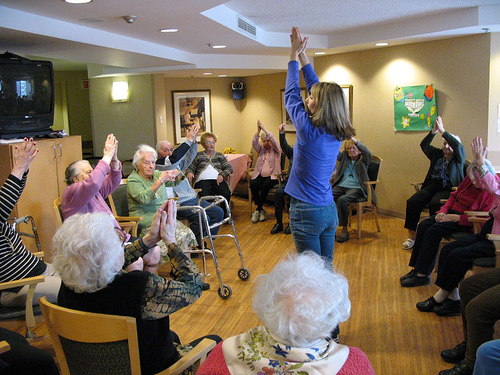
Seated exercises are ideal for our loved ones with dementias and Alzheimer’s Disease since they tend to have stability issues. Additionally, chair exercises are a great way to begin getting more physically active if our loved ones haven’t been for a while.

Seated exercises can help to build and maintain essential muscle strength and balance, but they are much less strenuous than standing exercises and reduce the risk of falls and/or injuries.

It’s important to use a sturdy chair with a back (I would recommend one that’s roomy with arms to prevent our loved ones from falling off sideways) for seated exercises and for us to be close by to assist if need be.

With our loved ones with dementias and Alzheimer’s Disease, it’s important to take the time to do these exercises at their pace. This includes taking the extra time to patiently coach – without expecting perfection in execution or repetition, with “good enough” done safely being “great.”

It would be ideal to begin each exercise session by breathing in as deeply as possible and then breathing out gently (if our loved ones are able to lift their arms to the side while doing this, it will help increase lung capacity, but if not, that’s okay).

We may have to coach and show our loved ones how to do this, doing the breathing exercises with them to encourage them to follow our example. Repeat this up to a maximum of ten times.

1st exercise (shoulder rolls): Lift the left shoulder up, then take a deep breath in. Breathe out as the shoulder drops. Then, lift the right shoulder up, then take a deep breath in. Breathe out as the shoulder drops. Alternate between the left and right shoulder up to ten times.

2nd exercise (neck strength): In the same sitting position, tilt the head back. Following the same breathing pattern as before, breathe in as the head is tilted back, then breathe out the head moves forward. Then, breath in as the head is turned to the left and breath out as the head is turned to the right. Repeat, alternating between back and forth and left and right up to ten times.

3rd exercise (sitting march): Pace can be as slow or fast as is comfortable. Lift the right knee up and breathe in; put that same foot down and breathe out. Repeat the same process with your left leg. Alternate between left leg and right leg up to twenty times.

4th exercise (leg stretches): Extend the left leg fully, breathing in as it’s extended, and breathing out as it is bent. Repeat with right leg. Alternate between left and right legs up to ten times.

5th exercise (ankles): Cross the left leg over the right leg, and rotate the left foot. Then, cross the right leg over the left leg, and rotate the right foot. Alternate between left and right foot, breathing rhythmically throughout, up to ten times.

Exercising to Music

In the early steps of the journey through dementias and Alzheimer’s Disease, our loved ones may be able to do slightly more strenuous exercises around the home, such as gardening, walking up and down the stairs or even dancing.

Exercising to music can make the activity a much more enjoyable experience. Since listening to music can also be beneficial in many ways for our loved ones with dementias and Alzheimer’s Disease, incorporating music into daily activities like exercise makes perfect sense in our overall care strategy.

going gentle into that good night divider

This is a guest post by Helen Bowden, fitness trainer and nutritionist with experience in dementias and Alzheimer’s Disease 

United States Hospice Agency Report Card 2015

In “The Layperson’s Guide to Hospice Care for Our Loved Ones with Dementias and Alzheimer’s Disease,” I gave a comprehensive discussion about how to choose and what to look for in hospice agencies when the time comes that our loved hospice report card united states 2015ones with dementias and Alzheimer’s Disease need comfort care and gentle and compassionate assistance with the dying process.

The Huffington Post, on January 8, 2015, had this article, which includes interactive maps for each state in the United States where state inspection data was available, giving detailed report card information for American hospice agencies. 

Here Are the Hospices That Break the Most Rules” is a must-read.